
CBD Oil (Cannabidiol)
Terpenes in Cannabis: Natural Essential Oils to Enhance CBD (Cannabidiol) Effects?

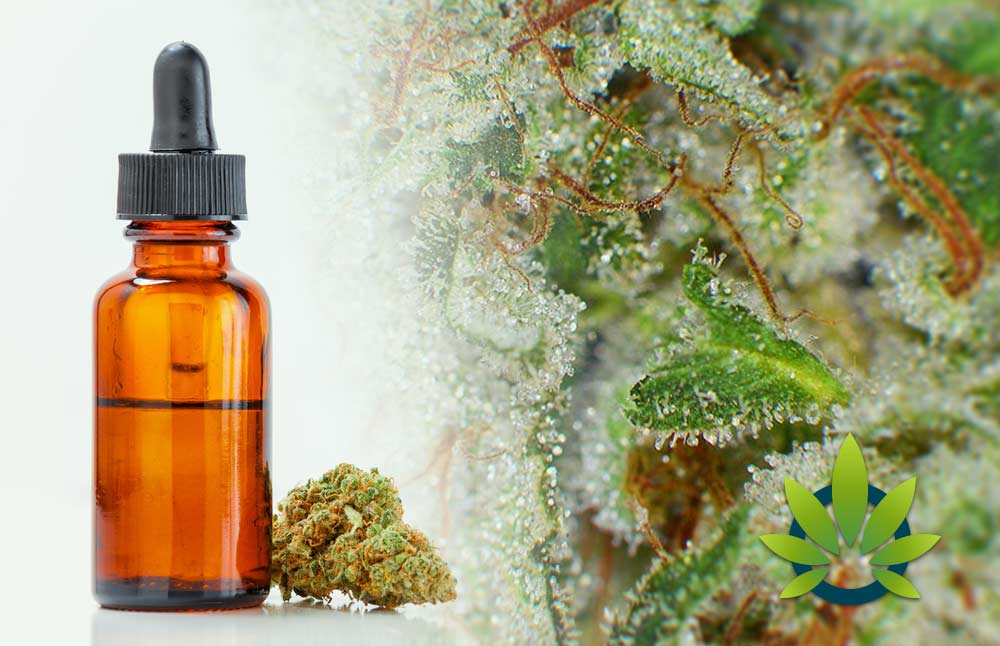
When the subject of cannabis and CBD comes up, most of the focus tends to be on the impact it has on the body, but there are multiple components to that. To understand exactly what CBD does in the body, it is important to understand the involvement and use of terpenes.
Terpenes are a necessary component because they work concurrently with the phytocannabinoid that exist in the cannabis plant. These substances are THC and CBD, though terpenes have therapeutic benefits that are all their own because they are essential oils. In fact, there are over 200 distinct types of terpenes found in cannabis, controlling the color, smell, and takes.
Each cannabis plant has their own variety and concentration of terpenes, which is why they are referred to as the “fingerprints of the cannabis plant.” These oils are genetic in the plants, and it helps to differentiate between one strain to the next.
The four most common terpenes are:
- Limonene
- B-caryophyllene
- Linalool
- B-myrcene
Limonene is commonly found in citrus rinds, rosemary, and caraway seeds, providing a scent that is both citrusy and spicy. It is known for being anti-bacterial and can even help with anxiety. It works within CBD, CBG, and THC, and helps with reducing the risk of cancer. In THC, it fights against gastroesophageal reflux disease.
B-caryophyllene is primarily in CBD-rich cannabis strains, though it is also found in hops, cloves, and black pepper, which explains the woody yet spicy aroma about it. It helps reduce inflammation in the body, and can even ease pain., which is why it is used in many cannabis rubs.
Linalool is mostly found in birch, lavender, and rosewood, emitting a floral and citrusy scent. It reduces the struggle with acne and can calm the user. In THC, linalool helps with the sedative effect while offering pain relief. However, one of its most important roles is in CBD for the anticonvulsant effects.
The most common of all of the terpenes are B-myrcene, though it doesn’t always show up in hemp. Its earthy and fruity quality is found in mangos, lemongrass, and hops. The terpene is meant to ease pain and inflammation, regardless of the source that brings it.
Why is all of this important to know? When deciding on the right CBD product, it becomes increasingly important to look at the effects that these terpenes cause to ensure that the strain will meet the needs of the user. The concentration alone will not make a difference without the right terpenes present. To get a full profile, the whole plant should be used, which is the way the process works in the United States. However, countries around the world have certain regulations that require the use of only the stalk and the seeds, which means that the terpenes expected from overseas CBD will not be the same as locals.

CBD Oil (Cannabidiol) Medical Conditions Research: User Health Guide

Mallorn Naturals CBD Oil: Safe & Effective Cannabidiol Health Product?

Golf Champion, Greg Norman Enters CBD Industry With GGB Beauty Partnership

Cannabix Technologies: What’s A THC breathalyzer Or Cannabis Breath Collection Unit

Kure CBD: Pain Relief Roll-On Gel, Consumables, Skincare And E-Liquid Products
CBD Oil (Cannabidiol) Medical Conditions Research: User Health Guide
CBD Oil/Cannabidiol Conditions Guide Cannabidiol is a powerful healing substance extracted from the cannabis plant. Unlike THC, cannabidiol (CBD) is...

Cannabix Technologies: What’s A THC breathalyzer Or Cannabis Breath Collection Unit
As countries around the world continue to reassess their stance on marijuana (both recreational and medicinal), health practitioners and law...


10 New Studies Backing the Major CBD (Cannabidiol) Cannabis Extract’ Potency and Results
butCannabidiol (CBD) is fast becoming a popular compound largely because there are teams of researchers examining its potentials and proving...


CBD for Lyme Disease: Can Cannabidiol Help With Borrelia Burgdorferi Bacteria?
CBD’s many attributes has led to people asking if it can help with just about any health condition. The latest...


How CBD Product Makers Need To Properly Package And Price Cannabidiol When Selling
CBD is estimated to generate $1.9 billion by 2020, and its products, enjoy more patronage, according to New Frontier data....


5 Reasons Why CBD Might Not Work For You Or Feel The Effects Of Cannabidiol
The legalization of cannabis in both the US and Canada, has resulted in an increased demand for it. Of particular...
-

 Benefits7 years ago
Hemp Oil Health Benefits Vs Side Effects: Proper Use And Optimal Dosage Guide
-

 Guides7 years ago
CBD Oil vs Hemp Oil: How to Clear the Cloudy Cannabis Oil Confusion
-

 Guides7 years ago
What is Hemp: How is it Different from Marijuana Physically, Chemically, Legally, and Historically
-

 Marijuana Movement7 years ago
New Medical Marijuana Story Showcases Cannabis And Epilepsy’s 176 Year Old Connection
-

 Benefits7 years ago
Liposome Benefits Prove to be a Perfect Pair for CBD (Cannabidiol)
-

 CBD (Cannabidiol)7 years ago
CBD Oil For Knee Pain: Symptoms, Causes, Diagnosis, Treatment And Prevention Guide
-

 CBD (Cannabidiol)7 years ago
5 Things You Should Know About Medical Marijuana For Pets (Dogs And Cats)
-

 CBD (Cannabidiol)7 years ago
CBD Oil Legality in Connecticut: Cannabidiol State Law Regulations in CT, USA