CBD Oil/Cannabidiol Conditions Guide
Cannabidiol is a powerful healing substance extracted from the cannabis plant. Unlike THC, cannabidiol (CBD) is not psychoactive, but does offer a wide range of health benefits. CBD is also commonly referred to as CBD oil, hemp oil, CBD hemp oil, or full spectrum CBD.
There are many factors to consider when investigating CBD, such as the legality of medical marijuana and medical CBD extract in your region, as well as more complex factors such as isolates and the entourage effect, the health impact of terpenes, and the differences between specific types of cannabinoids.
In this guide we will focus on the major health benefits of Cannabidiol and assess the clinical evidence that supports the use of CBD for various health conditions.

Acne
 Acne is an extremely common skin condition that affects over 54% of the entire population, with virtually all individuals experiencing acne at some point in their lives. Caused by the acne vulgaris bacteria colonizing the sebaceous glands and pores of the skin, acne can be reduced or minimized by careful skin and dietary intervention.
Acne is, however, exacerbated by inflammation and oxidative stress, both of which are dramatically minimized by CBD, or cannabidiol. An in-depth investigation assessing the effects of CBD on acne and various skin conditions, published in the Journal of Clinical Investigation in 2014 , found that CBD functions as a highly effective sebostatic agent.
The powerful anti-inflammatory actions of CBD have been demonstrated to prevent the growth and spread of the acne vulgaris bacteria that causes acne. An additional analysis published in 2017 found that CBD and cannabidiol derived products are able to assist with the regulation of the human endocannabinoid system, increasing immune system function and preventing the spread of acne vulgaris.
Interestingly, the endocannabinoid system of the human body plays a critical role in the regulation of the health of the skin. Research published in 2009 indicates that the skin functions as a neuro-immuno-endocrine organ that is largely reliant on the endocannabinoid system — cutting-edge medical science indicate that therapeutic practices that target endocannabinoid receptors are able to prevent and eliminate skin conditions such as acne.
Topical cannabidiol functions as a highly effective solution to the problem of acne, and can even assist with the healing process that eliminates acne scarring. CBD oil for acne scarring has been demonstrated to promote wound healing and accelerate the repair of the epidermal layer , resulting in the growth of healthier skin that is less prone to acne vulgaris colonization. Overall, CBD products are a highly effective alternative to chemical acne treatments.
ADD and ADHD
 Attention deficit disorder (ADD) and attention deficit hyperactivity disorder (ADHD) are umbrella terms that are used to refer to a broad spectrum of hyperactivity disorders that cause undesirable impulsivity and an inability to concentrate or focus on intensive tasks. In many cases, individuals that suffer from ADHD are young and are typically treated with stimulant medications that can cause a wide range of side effects.
Cannabidiol products offer individuals suffering from ADHD with a powerful alternative to stimulant chemicals that may have undesirable side effects. Neuropsychological research published in 2017 indicates that CBD or hemp extract delivered via an oral spray is able to deliver significant benefits to individuals with ADHD.
The study, performed across a group of adults suffering from ADHD and a control group, found that individuals using an oral CBD spray were able to focus for longer and experienced fewer detrimental hyperactivity events.
The use of CBD hemp oil as a treatment method for ADHD is supported by a wide range of studies, including a 2018 investigation that demonstrated a clear link between the endocannabinoid system and emotional memory processing . Phytocannabinoid CBD extracts have been proven to assist with memory processing and integrating, thus assisting individuals with ADHD in learning and retaining new information.
Neuroimaging investigations into the neurochemical interactions between CBD oil extract and the brain reveal that cannabidiol has a profound positive impact on the way the brain functions. There is a significant body of clinical scientific evidence that supports the use of CBD as a method of controlling anxiety, a state of mind that is commonly experienced by individuals that suffer from ADHD and ADD.
Ultimately, Cannabidiol and hemp extract products are a safe and reliable method of calming individuals that experience both ADD and ADHD on a regular basis without the addictive impact and side effects caused by traditional stimulant treatments of the condition.
Addiction
 Addiction is an extremely complex condition that can be both neurochemical or psychological. Regardless of the cause of addiction, kicking an addition can be extremely difficult and, in some cases, dangerous to the health of the addicted individual.
Recent research into the neurological impact of CBD hemp oil solutions and the way in which such products interact with the endocannabinoid system reveals that CBD may have powerful anti-addiction properties.
A widely-cited investigation published in a 2009 edition of the Taylor & Francis Substance Abuse Journal reveals that cannabidiol possesses powerful properties that make it a highly effective tool for interdiction for addictive behaviors — specifically drug addiction.
Drug addiction, in most cases, is caused by neurological factors contributing to behavioral habits. Cannabidiol has been demonstrated to modulate the neural pathways that are attributed to addiction via the endocannabinoid system, indicating that hemp extract can help beat addiction of almost any kind.
Overall, 14 different studies on the impact of CBD on addiction from a neurochemical perspective have been performed. All of these studies indicate that CBD is able to deliver therapeutic benefits to opioid addiction, cocaine addiction, and psychostimulant addiction.
Interestingly, CBD can even assist individuals suffering from addiction to drugs that can potentially cause health conditions if stopped “cold turkey.” Opiate addiction — specifically opiates such as morphine — commonly cause morphine abstinence syndrome when discontinued.
The administration of CBD extract products has been demonstrated to significantly reduce the symptoms of morphine abstinence syndrome, minimizing shaking, vomiting, muscle cramping, and teeth chattering . Further studies also show that CBD can prevent individuals that have successfully beaten an addiction from relapsing into drug use.
Data collected and published in the journal of Neuropsychopharmacology in 2018 reveals that CBD is able to significantly reduce impulsivity in drug addiction . Overall, CBD is a powerful tool in assisting individuals suffering from addiction with kicking a habit.
AIDS
 AIDS, or acquired immune deficiency syndrome, is an extremely serious medical condition that is caused by human immunodeficiency virus when left untreated. As one of the most serios medical conditions in the world, HIV/AIDS is closely related to the function of the immune system and, even with modern medical advancements, can allow life-threatening infections and cancers to take hold in the human body.
Cutting-edge research into the effect of cannabidiol and hemp oil extract on HIV/AIDs reveals that CBD products may be able to deliver benefits to individuals that have been diagnosed with the condition. Research into the impact of recreational marijuana use found that individuals undergoing treatment for HIV/AIDs that regularly used marijuana on a recreational basis possessed a significantly lower viral load — meaning that the antiviral treatments they were undergoing were more effective .
This led to further investigations which reveal that cannabidiol has a potent effect on immunodeficiency viruses. An in-depth clinical study performed in 2011 supports this evidence, demonstrating that cannabidiol is able to attenuate the inflammation caused by immunodeficiency viruses and significantly reduce the rate at which they spread through a body .
Cannabinoids and CBD have also been demonstrated to improve the cognitive function of individuals that have been diagnosed with HIV/AIDs. A comprehensive review of all literature regarding cognitive function, HIV/AIDs, and cannabidiol reveals that CBD application can assist with the recovery of attention, working memory, and executive functioning .
As HIV/AIDs severely impacts the human immune system, the way in which CBD is able to modulate the endocannabinoid system and improve immune system function shows a large amount of promise in helping individuals that suffer from the condition in living healthy lives. The anti-inflammatory activity delivered by CBD helps to prevent HIV-associated neurocognitive disorders and assist with the return to normal bodily function when HIV treatments are underway.
ALS
 ALS, or Amyotrophic Lateral Sclerosis, is a fatal motor neuron disease that is characterized by a degeneration of the nerve cells in both the spinal column and the brain. Unfortunately, ALS is always fatal — there is, as of yet, no known treatment for ALS.
The US FDA currently approves the use of Rilutek as a method of managing ALS, but this powerful medication causes a wide range of side effects that include nausea, stomach pain, stabbing chest pain, and more. The potential neuroprotective effects of cannabidiol, however, show a significant amount of promise in assisting individuals that have been diagnosed with ALS in managing their condition.
The way in which ALS affects the brain is caused by a number of factors that include mitochondrial dysfunction in the cell, protein aggregation, and — most importantly — oxidative stress, which is the root cause of inflammation.
The ability to minimize oxidative stress and function as a powerful anti-inflammatory agent is one of the most effective health properties of CBD or cannabidiol, making it a powerful tool for individuals with ALS.
A 2016 investigation into the benefits of cannabidiol and hemp oil extracts for ALS found that cannabinoids and CBD products can significantly impact the progress of the condition in a positive manner. The study found that CBD is able to dramatically lower neuroinflammation and lower oxidative cell damage.
In the trial, individuals that were provided with CBD products reported moderate relief of some of the most difficult symptoms of ALS, including increased appetite, lessened depression, pain relief, and the elimination of drooling, which is a common symptom of ALS .
An additional study performed in 2009 reveals that CBD is a powerful tool for minimizing all kinds of neurodegeneration, assisting with the protection of brain cells across a broad spectrum of neurodegenerative disorders .
Alzheimer’s
 Alzheimer’s disease is one of the most commonly presented examples of a difficult health condition that is rapidly and effectively treated with CBD or cannabidiol, and for good reason. At a fundamental level, Alzheimer’s is a neurodegenerative disorder with many causes, but is primarily driven by oxidative cell damage and neuroinflammation.
CBD for Alzheimer’s disease is able to deliver a broad range of benefits, such as neuroprotective benefits, decreased inflammation within the brain, and even promote healthy, normal memory function. Importantly, the clinical evidence that supports the use of cannabis extract for Alzheimer’s has been performed extensively in vivo, or in real bodies, as opposed to in vitro, or in lab test conditions .
Cannabidiol is a relatively new medical compound that is still under active investigation and research efforts from doctors and medical professionals around the world. As such, while the exact mechanism of action through which CBD is able to assist with the management of Alzheimer’s is not currently known, there is a massive body of evidence to support its use for the condition.
A systematic review of all clinical data available on the impact of CBD on Alzheimer’s and several other neurodegenerative disorders performed in 2010 found that CBD is able to help with the treatment of Alzheimer’s as well as Parkinson’s disorder, Huntington’s disease, and dementia .
Interestingly, the impact of CBD on Alzheimer’s within the human brain has been extensively investigated. A recent March 2018 clinical investigation into the neuroplasticity benefits of CBD oil found that CBD prevents the neurotoxicity caused by Alzheimer’s, reversing the deficiencies in the hippocampus region of the brain that the disease causes and assisting with the return of normal memory function .
Long-term use of CBD oil prevents Alzheimer’s from even developing. As CBD is a powerful neuroprotective, there are many clinical investigations that reveal it can be used to prevent the disease from developing in the first place.
Anorexia
 Anorexia nervosa is a psychological eating disorder that can have seriously dangerous health effects and is extremely difficult to treat. Treatment for anorexia typically involves extensive psychological intervention, with the occasional use of selective serotonin reuptake inhibitors, or SSRIs, in order to manage the psychological factors that cause the condition.
SSRIs, however, are known to cause a wide range of detrimental health side effects and are not ideally suited to treat anorexia. The way in which cannabidiol interacts with the nervous system of the human body, however, shows a significant amount of promise in helping to manage the root causes of anorexia and prevent relapses into eating disorder conditions.
A systematic review into the effectiveness of medical cannabis extracts for psychiatric disorders performed in 2017 and published in the Journal of Clinical Psychopharmacological Neuroscience demonstrated extremely positive results for the treatment of anorexia with CBD oil .
Two individual studies on the of CBD oil on anorexia nervosa have been performed, both involving 36 individuals diagnosed with the condition. In a crossover trial, individuals diagnosed with anorexia nervosa were dosed with 30 mg of medical cannabis extract on a daily basis.
The trial revealed a significant positive impact, with two four-week treatments of cannabis oil delivering weight gain and a return toward regular eating habits. The benefits of medical marijuana, CBD, or other cannabis extracts in treating anorexia is closely linked to the anti-anxiety benefits of cannabis extracts, as CBD and many other extracts have been proven to assist with the management of anxiety disorders.
CBD extracts have also been demonstrated to assist individuals suffering from cancer and chemotherapy-induced anorexia. Several trials have demonstrated that the regular use of CBD products is able to help increased appetite in individuals undergoing chemotherapy and help them return to normal eating habits regardless of treatment stage.
Antibiotic Resistance
 Antibiotic resistance is an extremely important issue that is growing in scale. Antibiotics are currently used to treat a broad spectrum of bacterial diseases. The widespread use of antibiotics, however, has allowed natural selection — the natural process that leads to evolution — to take place at an accelerated rate, causing the development of new antibiotic-resistant diseases that can’t be treated with traditional antibiotics.
While this may not sound like an important issue, it means that — should the most common bacteria that cause infections become antibiotic resistant — modern medicine will be unable to prevent systemic infection from even the smallest wound. Scientists and doctors around the world are currently working to develop a solution to antibiotic-resistant bacteria, and have discovered that cannabis extract and CBD products show a significant amount of promise.
While CBD oil is widely known to deliver a wide range of psychological health benefits, CBD extracts are also proven, powerful antibiotics. Cannabidiol has been clinically proven to function as a highly effective antibiotic agent that can destroy both staphylococci and streptococci bacteria, two of the most common and threatening types of dangerous bacteria .
Additional research performed into the antibacterial properties of cannabinoids has revealed that all five of the major cannabinoids — cannabidiol, cannabichromene, cannabigerol, Delta (9)-tetrahydrocannabinol, and cannabinol — show powerful antibiotic activity against bacteria are resistant against methicillin, the most powerful antibiotic.
A 2008 study found that all give cannabinoids are defined as antibiotic agents with a “high potency” even though the mechanism of action through which they destroy these antibiotic-resistant bacteria is currently unknown .
The immunoregulatory benefits of CBD oil also been demonstrated to assist individuals that are suffering from antibiotic-resistant bacteria-induced diseases, accelerating the rate at which the human immune system is able to autonomously isolate and destroy antibiotic-resistant bacteria without exogenous assistance.
Anxiety
 Generalized social anxiety disorder is an extremely common psychological health condition that can make it difficult for diagnosed individuals to perform everyday tasks. As anxiety is a psychological condition, treatment methods typically involve the use of SSRIs, or selective serotonin reuptake inhibitors, which are known to cause a wide range of unwanted and debilitating side effects.
CBD oil extracts and cannabidiol, however, have been extensively tested as anti-anxiety compounds and have been proven to deliver a wide range of benefits with no side effects. In addition to treating generalized social anxiety disorder, CBD is able to assist with the management of PTSD, generalized anxiety disorder, obsessive-compulsive disorder, and panic disorder .
CBD products possess a unique pharmacological and therapeutic profile that helps to modulate the way serotonin interacts with the human brain. The brain possesses a cannabinoid type-1 receptor, which CBD is known to interact with in order to reduce fear-type and anxiety-type behaviors.
The use of hemp oil extract and other CBD oils for anxiety have been demonstrated in a wide variety of real-world clinical investigations to dramatically reduce the impact of anxiety attacks. A neuropsychopharmacological investigation performed in 2011 tested the benefits of CBD oil on individuals during a simulated public speaking event for individuals that had been diagnosed with social phobia induced anxiety attacks.
In the trial, individuals that were treated with CBD demonstrated as significantly lower occurrence rate of anxiety attacks and psychological stress and were overall more calm than individuals in the control group. The trial concluded that just a single dose of CBD is able to deliver rapid onset therapeutic action for individuals with anxiety disorders without unwanted side effects .
More recent investigations have supported prior evidence, including a 2018 study that revealed CBD oil is able to minimize cerebral blood flow through specific brain sites in order to function as a serotonin agonist, providing users with a balanced mood and minimized stress response.
Atherosclerosis
 Atherosclerosis is a cardiovascular disease in which plaque builds up in the arteries of the human body. This prevents oxygen-rich blood from being carried the various parts of the body and can result in the development of severe heart disease.
Atherosclerosis is currently treated with the use of Angiotensin-Converting Enzyme (ACE) Inhibitors that relax the blood vessels of the body and allow the body to pump blood easier, but cause a number of side effects such as hypotension and even extremely severe health conditions such as acute renal failure.
CBD, or cannabidiol, however, has been demonstrated in a number of scientific clinical trials to help manage Atherosclerosis. The human body possesses an endocannabinoid system that allows cannabidiol and other cannabinoid compounds to interact with the immune system and modulate a wide range of bodily functions.
Scientific investigations into the way Atherosclerosis works have discovered that cannabinoid receptors play an important role in the progression and management of the condition. A 2006 investigation revealed that cannabinoid receptors are potential targets for the treatment of the condition , helping to manage the inflammation it causes.
This discovery is supported by more recent scientific evidence published in 2009, in which a medical team based in Prague found that endocannabinoids are lipid, or fat transmitters that are able to significantly improve the health conditions caused by Atherosclerosis .
An additional investigation published in 2011 found that the way in which CBD is able to minimize oxidative stress is the primary mechanism of action through which cannabidiol is able to minimize the health impact of atherosclerosis.
By lowering inflammation, cannabidiol and other CBD extracts are able to reduce the stress on the cardiovascular system that causes Atherosclerorsis and dramatically improve overall cardiovascular health without causing any unwanted side effects and, at the same time, delivering all of the other health benefits offered by CBD.
Arthritis
 Arthritis is a health condition that is primarily driven by inflammation and affects over 70% of the population over the age of 50. Over time, the likelihood that an individual will develop the symptoms of arthritis increases — by the age of 85, almost 90% of the population experiences arthritis to some degree.
Arthritis is a systemic condition that is caused by runaway oxidative reactions within the human body, leading to the inflammatory swelling of the connective tissue, cartilage, and musculature around the joints. As such, CBD oil and cannabidiol is a highly potent treatment that can be used as a replacement for traditional non-steroidal anti-inflammatory topical treatments.
Arthritis is one of the primary applications of CBD extract compounds and is supported by an extremely large body of evidence. A widely-cited study published in 2016 found that it’s not even necessary for individuals suffering from the symptoms of arthritis to even ingest CBD products in order to benefit from them — the transdermal application of CBD, applied to the skin in a topical lotion, has been demonstrated to minimize the impact of arthritis-induced pain and soreness .
Early-phase pain induced by arthritis can also be treated by cannabidiol. A study published in 2017 found that joint deterioration, intermittent inflammation, and pain caused by arthritis can all be minimized through the use of CBD oil .
An overall review of the clinical efficacy of CBD and cannabidiol products on arthritis performed in 2018 found that a diverse range of hemp products, including CBD oil, can significantly improve comfort, minimize pain, and improve the quality of life for individuals suffering from arthritis — and can even assist with the management of arthritis in pets such as dogs . Overall, CBD is a highly effective treatment for arthritis and the symptoms that emerge from the conditions and does not cause any unwanted side effects.
Asthma
 Asthma is a complex medical condition that causes the airways of the human body to swell in size and restrict breathing, which can potentially be fatal. Asthma is commonly treated with a wide range of medicines, which include powerful drugs such as theophylline and Xolair as well as corticosteroids.
While these medications are effective in assisting with the management of asthma, they do cause a broad spectrum of undesirable side effects, such as weight gain, appetite changes, stomach upset, and mouth lesions. Cannabidiol, however, has been proven to function as a highly effective method of managing asthma without the need for powerful drugs that cause side effects.
A brand-new study published in January 2019 has revealed CBD to be a powerful tool in minimizing airway inflammation caused by asthma, as well as eliminating the fibrosis that is caused by allergic asthma in some individuals.
The study, published as a joint effort between five different universities and pulmonary research departments, found that cannabidiol is able to minimize the presence of collagen fiber in the airways. Individuals that suffer from asthma commonly experience a buildup of collagen fibers in their respiratory system, which exacerbates asthma conditions.
The use of CBD in the treatment of asthma, according to the study, eliminates lung inflammation and fibrosis, helping the lungs to heal and promoting normal, healthy breathing . More in-depth research published in 2015 proved the anti-inflammatory action of CBD in the lungs by measuring cytokine levels subsequent to dosage, revealing a large measurable lowering of lung tissue inflammation without causing any unwanted side effects.
A Frontiers in Pharmacology report collects all of the available information on the endocannabinoid system and CBD impact on asthma as of 2016, and demonstrates that both lung immune system function and inflammation is positively impacted by the use of cannabidiol.
Autism
 Autism is a difficult-to-define psychological condition that is largely referred to as a “spectrum,” with many different ways the condition can manifest. As such, there are many different treatments for autism, which range from behavioral therapy intervention to the use of powerful psychiatric drugs that can cause a wide range of deleterious side effects.
The use of cannabidiol to treat autism spectrum disorder is a new application of hemp-derived health products, but is supported by a growing amount of medical science. An extensive study published in the Journal of Global Pediatric Health in 2018 investigates the growing amount of anecdotal evidence available on the use of CBD for autism, and reveals some interesting results.
The study collects data from more than 16 clinical investigations into the efficacy of CBD for the treatment of autism, which included over 900 children. The studies demonstrated a “dramatic improvement” in the behavior patterns of children provided with CBD extract, with cannabidiol demonstrated to improve the core symptoms of autism spectrum disorder —social and emotional reciprocity, restrictive behaviors, and repetitive behaviors .
Research into the potential health benefits of cannabidiol for the treatment of autism spectrum disorder is still at an early stage, with no conclusive evidence as yet, but is extremely promising. Insights from animal models published in 2017 reveal that the endocannabinoid system is closely associated with the key brain functions that cause autism spectrum disorder .
Cannabidiol has also been demonstrated in clinical trials to attenuate and moderate social deficiencies in mice in several clinical trials — while pediatric clinical trials for the use of CBD in treating autism spectrum disorder are underway, it’s clear from the available evidence that CBD is a potentially powerful treatment for individuals diagnosed with autism spectrum disorder.
Bipolar
 Bipolar is a complicated psychological condition that can be referred to by a range of different names, including manic depressive illness and bipolar affective disorder. The diagnosis, management, and treatment of bipolar disorders is complex and difficult, and often involves the use of powerful psychiatric drugs such as valproic acid or antipsychotic medications.
The neuroprotective and anti-anxiety health benefits of cannabinoids and CBD products, however, have demonstrated that it’s possible to use CBD for bipolar. While some of the earliest research into the impact of cannabidiol on bipolar disorders and manic depressive illnesses have been inconclusive , more recent research is extremely promising.
A 2005 investigation into the impact of CBD and cannabidiol on bipolar disorder found that CBD is able to provide individuals that have been diagnosed with bipolar disorders with a sedative effect, as well as functioning as an anti-anxiety agent and delivering antidepressant and antipsychotic effects .
The relatively recent legalization of medical marijuana in the United States has also allowed clinical scientists to investigate the impact of cannabis-derived compounds on the mental health of individuals diagnosed with bipolar disorders.
A 2018 investigation published in the Journal of Psychiatry and Neuroscience found that strains of marijuana high in CBD cannabinoids are able to deliver power antipsychotic effects, which significantly assists individuals with bipolar in managing their psychological condition without the need for powerful side effect-causing drugs .
The safety and long-term efficacy of using CBD and cannabidiol products as a treatment for bipolar conditions have also been extensively investigated. In animal models, cannabidiol has been demonstrated to deliver behavioral changes through a pharmacokinetic process that mirrors that of the antipsychotic medication clozapine without any negative side effects, which is a very important step forward for the use of CBD products in the treatment of psychological conditions — especially bipolar disorder.
Cancer
 Cancer is one of the most interesting and promising applications of hemp oil extracts, CBD, medical cannabis, and cannabidiol. There is now a massive body of evidence suggesting that products and bioactive compounds derived from the cannabis plant are able to dramatically improve the health of individuals diagnosed with cancer and, in some cases, even help to prevent or even eliminate cancer and tumors.
The issue of cannabis extracts and cancer treatment is a controversial topic, however. Cancer CBD oil treatments have been investigated extensively, and are covered in-depth in a 2014 report compiled in the Oncotarget Open Access Impact Journal .
The lengthy report covers the impact of a diverse range of cannabis extracts on cancer, including bioactive molecules, cannabidiol, terpenes, flavanoids, and over 60 other compounds. There is a broad spectrum of different cannabinoids, including endogenous cannabinoids created within the body, exogenous cannabinoids derived from plants such as cannabis, and lab-created synthetic cannabinoids.
All of these cannabinoids, however, are demonstrated in the clinical evidence to interact with the human endocannabinoid system, especially with regard to the cannabinoid receptor-mediated signaling in cancer. Cannabinoids are able to modulate the pathways associated with the expression of many different cancers, including breast cancer, lung cancer, prostate cancer, and more.
Investigations into the therapeutic benefits of CBD oil applied to cancer-caused health conditions have revealed that CBD and other cannabinoid products have a powerful potential to improve the health of cancer patients.
Some of the most interesting research into the health benefits of CBD reveals that it’s possible to use cannabinoids to actively kill cancer cells. Research performed in 2018 reveals that CBD can be used to create a protective barrier when using radiotherapy to kill cancer cells, dramatically improving clinical efficiency of traditional radiotherapy while minimizing the side effects and discomfort caused to patients.
Digestive Issues
 Digestive issues can come in many forms, ranging from genetic conditions such as lactose intolerance, to celiac disease, to stomach ulcers, and even very serious health conditions such as Crohn’s disease. One basic element all of these health conditions share, however, is that they are either caused or exacerbated by inflammation.
Cannabinoids have been proven in many clinical scientific investigations to have a profound impact on the human digestive system due to its close relationship with the endocannabinoid system. Some of the earliest research into the relationship between the endocannabinoid system and the digestive system was performed in 2005, and revealed that cannabinoid receptors are responsible for the relaxation of the esophageal sphincter, the inhibition of gastric motility, and the creation of stomach acid .
This evidence reveals that CBD is a powerful treatment that can be used to assist with the management of common health conditions such as acid reflux. Further investigation and clinical trials into the use of CBD for gastrointestinal problems reveal that cannabidiol can help modulate the production of gastrointestinal , which is essential in balancing the pH level of the entire digestive system .
Using CBD supplementation, it’s possible to assist the human body in the creation of key enzymes that are essential to the digestive process. Investigations into the health benefits of cannabidiol and the digestive system reveal that CBD supplements can actively improve nutritional intake and boost the efficiency of the digestive system, increasing energy levels .
As the digestive system plays a critical role in the management of the immune system, CBD and cannabidiol products are also able to help to boost the immune system by reinforcing the health of the gastrointestinal tract . Overall, CBD can be used to treat inflammatory bowel conditions, irritable bowel disease, and many more inflammatory gastrointestinal diseases without unwanted side effects.
Depression
 Depression is a generalized mood disorder and manifests across an extremely broad scale of severity. Less serious instances of depression can be relatively easy for individuals to move past, but more serious instances of depression can result in month or year-long bouts of debilitating depression that make it extremely difficult for affected individuals to perform everyday tasks.
Outside of behavioral therapy, depression is most commonly treated via the use of antidepressants, which can cause a wide range of side effects such as an increase in suicidal thoughts, nausea, dizziness, constipation, and more. Overall, antidepressants are an extreme solution to the issue of depression
CBD, however, and other hemp extract products, have been demonstrated to function as highly effective treatments for depression that are able to deliver nearly instant results with no negative side effects whatsoever.
A 2014 clinical investigation into the impact of CBD on depression revealed that the cannabidiol found in the cannabis sativa plant has an extremely powerful psychiatric potential, and delivers anti-anxiety and anxiolytic benefits in addition to highly effective antidepressant properties .
Further research into the impact of CBD on depression performed in August 2018 found that cannabidiol delivers antidepressant benefits that are able to modulate the human serotonin system in the brain .
The most promising data collected on the impact of cannabidiol on depression, however, is a 2018 study that reveals the use of cannabidiol is able to deliver rapid, almost immediate sustained antidepressant effects by boosting brain activity in the prefrontal cortex .
Interestingly, using CBD to treat depression doesn’t require a specific application method — it’s possible to use a wide range of CBD deliver methods to treat depression, including CBD vapes, CBD tinctures for depression, CBD supplements, and even CBD gummies for depression, without inducing any unwanted side effects or taking any unwanted psychiatric medication.
Diabetes
 There are two types of diabetes — type I diabetes, which is a genetic condition in which the body is unable to create insulin effectively, and type II diabetes, which can be developed b anybody and is caused by overexposure to sugar.
In both cases, the overall health impact of diabetes is caused by the inability of the human body to regulate the amount of sugar in the blood. The long-term health impact of untreated diabetes is severe, including the amputation of extremities and limbs, and even blindness.
Cannabidiol and other cannabis extracts have shown a great deal of promise in assisting with the management of diabetes conditions. A February 2012 clinical trial assessed the relationship between the endocannabinoid system and diabetes, discovering that oxidative stress plays an extremely important role in the development of diabetes.
Diabetes, according to the study , can be managed by the therapeutic potential of plant-derived compounds such as CBDs that target the endocannabinoid system. A previous study performed in 2016 found that cannabidiol can even function as a preventative measure against diabetes — pre-obesity mice provided with CBD supplements were far less likely to develop diabetes conditions .
The most recent research into the benefits of CBD for diabetes was published in November 2018, and found that CBD has powerful beneficial effects on diabetes that are boosted by the neuroprotective and anti-inflammatory properties of cannabinoids .
The efficacy of hemp oil extract and CBD oil in treating diabetes conditions is surprising. Evidence gathered in a 2016 randomized double-blind placebo controlled trial found that cannabis extracts provided to individuals with diabetes could potentially function as a new therapeutic agent for controlling blood sugar levels, pending further investigation .
While CBD has not been proven to cure diabetes, CBD products are a powerful tool that delivers a wide range of health benefits. CBD for diabetes is a highly effective supplementary treatment that increases overall health and minimizes the impact of diabetes symptoms.
Endocrine Disorders
 Endocrine disorders covers an extremely broad spectrum of health conditions that include hypothyroidism, growth hormone deficiency, Addison’s disease, hirsutism, and many more conditions. All of these health conditions, however, share a similar root cause — a deficiency or issue with the endocrine system itself, which regulates hormonal expression.
The endocrine system is intrinsically linked to the endocannabinoid system, which is the system upon which cannabidiol and CBD oil products act. Therefore, CBD products can be extremely effective in managing the symptoms of endocrine disorders and, in some cases, helping to prevent or eliminate them altogether.
A 2015 clinical investigation assessing the relationship between the endocrine system and the endocannabinoid system found that cannabinoids such as CBD are able to interact with a wide range of bodily systems, such as the release of prolactin and oxytocin, thyroid hormone and growth hormone, and the hypothalamic-pituitary-adrenal systems .
Supplements or treatments that provide the body with targeted cannabinoids or cannabidiol, therefore, are able to provide a wide range of health benefits to individuals that have been diagnosed with endocrine disorders.
Hypothyroidism, one of the most common endocrine system disorders, has been proven to be affected by the use of specific compounds found in the cannabis plant. Cannabidiol and other bioactive compounds sourced from the cannabis plant have been demonstrated to deliver lower rates of endocrine system disorders .
Interestingly, the use of cannabidiol and other CBD oil products has been demonstrated to prevent the development of thyroid carcinoma, a dangerous endocrine system disorder that, if left untreated, is potentially fatal .
Overall, the current research into the impact of CBD on endocrine system health is at an early stage, but the research that is available thus far indicates that CBD and hemp extracts are able to modulate the endocrine system. As endocrine system disorders are highly specific, however, more research is needed to assess the impact of targeted CBD compounds and cannabis extracts on specific endocrine system disorders and diseases.
Epilepsy and Seizures
 Epilepsy is an umbrella term that can be used to refer to a wide range of disorders that are characterized by uncontrollable, unpredictable seizures. Epilepsy affects people of all ages, and can be extremely difficult to both live with and to treat.
Epilepsy can be managed with a range of different drugs, but the side effects caused by these drugs can be extremely difficult to deal with. AED’s, the most common type of epilepsy medication, can cause weight gain, depression, dizziness, sleepiness, blurred vision, sleep apnea, and many more unwanted health conditions.
Fortunately, cannabidiol and other hemp extracts have been clinically proven to have a profound, immediate, and scientifically proven impact on epilepsy and virtually every other seizure disorder known to science.
There is an extensive amount of medical documentation and clinical evidence supporting the use of CBD, cannabidiol, and other bioactive compounds extracted from the cannabis plant in the use of managing seizure conditions.
Hard science supporting the use of CBD in the treatment of epilepsy is available in a 2017 meta-study published by the Journal of Epilepsy Research . The study demonstrates that CBD is able to assist with the prevention of seizures without the psychoactive elements of THC, with no side effects whatsoever.
According to clinical data, CBD Is able to deliver anticonvulsant properties, act as a muscle relaxant, and provide both anti-anxiety and analgesic properties. Used at the onset of a grand mal seizure, CBD oil has been demonstrated to actually prevent the seizure, allowing individuals diagnosed with epilepsy with the opportunity to live a normal life .
Ultimately, clinical evidence indicates without question that the use of cannabidiol and CBD oil to treat epilepsy is a powerful adjuvant treatment that may reduce the frequency of seizures and is significantly more effective than a placebo in delivering total seizure freedom.
Fibromyalgia
 Fibromyalgia is a systemic disorder that causes extremely undesirable symptoms such as widespread musculoskeletal pain, loss of sleep, fatigue, memory loss, and mood disorders. Pharmaceutical treatment for fibromyalgia involves the use of drugs that cause side effects such as numbness of the hands and feet, increased pain, and increased difficulty sleeping.
The use of medical cannabis for the treatment of fibromyalgia has occurred for over a decade now, with extensive research into the potential health benefits of cannabis — or marijuana — for relieving the pain associated with the condition.
A 2018 clinical investigation found that the use of medical marijuana — not CBD — of just 8.3 g on a monthly basis was able to deliver significant improvement across every single parameter measuring the pain impact and life impact of fibromyalgia. Over 50% of the participants in the trial stopped taking fibromyalgia medication altogether, demonstrating the efficacy of cannabis products on fibromyalgia .
The impact of THC-free CBD oil products on fibromyalgia, however, is even more promising. A 2016 investigation into the health benefits of cannabinoids on fibromyalgia tested 72 participants diagnosed with the condition, providing test participants with a dosage of 1 mg/day of synthetic cannabinoid.
The results of the trial were impressive — participants receiving the CBD solution experienced pain relief of 50% or greater.
Glaucoma
 Glaucoma is a group of eye disorders that causes degeneration in the optic nerve. If left untreated, Glaucoma can cause blindness, but with early detection, can be treated relatively effectively. As the loss of vision from Glaucoma is permanent, glaucoma is generally treated with a broad spectrum of methods that include eye drops, medication, and laser surgery.
A major symptom of glaucoma, however, is extreme pain and nausea caused by pain. As such, many individuals suffering from glaucoma follow extensive pain medication routines that can lead to side effects and dependency.
Due to the extreme pain caused by glaucoma, medical marijuana has been investigated as and proven to be a highly effective treatment and pain minimization method for the condition. While medical marijuana has been demonstrated to function as a powerful pain treatment for glaucoma, however, the potential benefits of CBD and hemp oil extract are far more promising.
An early 2006 clinical investigation into the potential health benefits of CBD oil delivered via sublingual application found that a single 5mg dose of cannabinoid extract was able to minimize the symptoms of glaucoma rapidly, with no unwanted side effects .
Another 2004 investigation published in the British Journal of Ophthalmology revealed that CBD oil has the ability to reduce intraocular pressure — the primary cause of glaucoma and the pain it causes to individuals diagnosed with the condition . The same study, however, found that the use of CBD also lowers overall blood pressure, which is largely positive but not desirable in the case of individuals that possess low blood pressure already.
Overall, CBD oil and other cannabis extract products are able to minimize the health impact of glaucoma and improve the quality of life of individuals diagnosed with the condition without causing any unwanted side effects, whether applied via an intraocular eye drop or via a sublingual oral drop.
Heart Disease
 Heart disease, or cardiovascular disease, is the leading cause of mortality in the United States today and is caused by an extremely broad spectrum of factors. Cardiovascular disease is caused by a variety of factors but is primarily influenced by poor dietary choices, a lack of physical exercise, smoking, and an overweight BMI.
Once developed, cardiovascular disease can be extremely difficult to treat and requires that patients follow a strict regimen of powerful drugs that can cause a broad spectrum of unwanted side effects. There are two causes of heart disease, however, that can be rapidly treated by CBD — both as a preventative measure and as a method of treating symptoms once they occur.
Inflammation is a leading cause of cardiovascular disease. Low-grade inflammation disorders have been proven in multiple meta-studies to be one of the primary factors in the pathogenesis of cardiovascular disease . CBD and cannabidiol products are widely recognized as one of the most potent and fast-acting anti-inflammatory solutions available — which is backed up by extensive clinical science.
A comprehensive clinical study published in the American Society for Clinical Investigation Journal in 2017 assessed the health benefits of a single dose of cannabidiol on healthy volunteers . The trial revealed that just a single dose of CBD is able to significantly improve cardiovascular health almost immediately.
An earlier study published in 2007 identified both the CB1 and CB2 receptors as effective means of modulating cardiovascular health . Similar research published in 2010 supported this evidence, demonstrating that cannabidiol is able to resolve cardiac dysfunction, minimize oxidative stress, and reduce inflammation in the cardiovascular system .
Overall. CBD and hemp extract oil products have been proven to deliver real, demonstrable health benefits to the cardiovascular system and significantly minimize the health impact of oxidative stress. CBD products can be taken to assist with the management of existing cardiovascular health conditions or as a preventative measure to prevent the development of conditions in the future.
Huntington’s Disease
 Huntington disease is a brain disorder that can negatively impact the motor functions of a diagnosed individual. Like Alzheimer’s disease, Huntington disease is a neurodegenerative disorder that worsens over time and is exacerbated to a large degree by oxidative stress and inflammation in the brain, or neuroinflammation.
Huntington disease can also have a profound impact on the cognitive ability of an individual. Like Alzheimer’s disease or dementia, however, Huntington disease is currently the focus of in-depth research efforts that aim to determine the efficacy of CBD, or cannabidiol, on the condition.
Research into the effectiveness of cannabidiol as a treatment method for Huntington disease is extremely promising. The first controlled clinical trial using cannabidiol to minimize the symptoms of Huntingtons disease occurred in 1991 , and revealed no negative side effects and minimal benefits.
More recent research into the impact of CBD on Huntington disease, however, shows that CBD can be used to both prevent and treat the condition. An in-depth scientific meta-analysis of existing literature published in the Frontiers in Pharmacology journal in 2018 assessed the efficacy of CBD for Huntington disease and found that cannabidiol can provide patients with 51 percent to 84 percent protection against Huntington-induced cell death.
The same investigation found that Cannabidiol can significantly lower the rate at which inflammation causes cell death within the brain, promoting faster brain restoration time and allowing users to maintain a higher degree of motor control.
Additional research into the interactions between CBD and motor control diseases has demonstrated that CBD can promote a greater degree of motor control across all neurodegenerative diseases, highlighting the fact that CBD is ideal for protecting the brain from neurodegenerative and neuroinflammatory conditions .
Lastly, a 2013 clinical investigation identified CBD as a highly promising solution to treat Huntington disease, combined with tetrahydrocannabinol, delivering powerful anxiolytic and anticonvulsant benefits that can assist individuals that have been diagnosed with the condition.
Inflammation
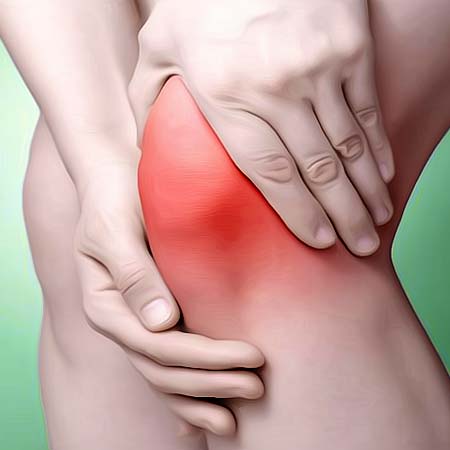 Inflammation is an immune system response that can have many detrimental effects on the human body. In most cases, inflammation is characterized by localized swelling, redness, and irritation, but can occur anywhere in the body.
Inflammation is the root cause of a broad range of different diseases, and is primarily caused by oxidative stress. When free radicals — unstable molecules — enter the body, they “steal” a valence electron from the molecules that make up the tissues of the body, causing oxidative stress.
This process can cause a chain reaction, which leads to inflammation, which can in turn cause a wide range of diseases such as inflammatory bowel syndrome, neurological disorders such as Alzheimer’s, and even arthritis.
CBD and cannabidiol products have been proven in extensive clinical testing to eliminate the cause of inflammation and therefore assist with the management and prevention of virtually any health condition that is caused by inflammation.
Recent research into the anti-inflammatory health benefits of CBD demonstrates that cannabinoids are able to modulate the immune system responses that cause inflammation by regulating the production of cytokines . Additional research also indicates that CBD is highly effective in treating osteoarthritis, assisting with the prevention of joint degeneration and peripheral neuropathy .
Interestingly, the transdermal application of CBD oil has been proven to function as a highly effective means of eliminating inflammation and joint pain on a localized basis . As topical application of CBD oil avoids the gastrointestinal system, it is able to deliver far more powerful healing benefits.
CBD oil for inflammation and inflammatory conditions work by modulating the cannabinoid receptors in the endocannabinoid system of the body, modulating the release of cytokines — the signaling proteins released by the body that cause inflammation. Overall, CBD and hemp oil extract products are a highly effective and scientifically proven method of managing inflammation naturally.
Irritable Bowel Syndrome
 Irritable bowel syndrome is a systemic disorder caused by a variety of conditions, The symptoms of irritable bowel syndrome can make everyday life extremely difficult for individuals diagnosed with the condition, and include diarrhea, abdominal cramps, excessive gas, and bloating.
The medications used to treat irritable bowel syndrome rarely address the root cause of the condition — systemic inflammation — and instead focus on providing solutions to the symptoms themselves, such as bile acid binders and anticholinergic medications that can cause further bloating.
Fortunately, there is a vast amount of clinical evidence that supports the use of natural CBD oil products and cannabidiol extracts in order to treat irritable bowel syndrome. A 2016 clinical investigation into the efficacy of CBD as a treatment of irritable bowel syndrome found that the endocannabinoid system of the human body plays a critical role in the function of the gastrointestinal system.
The study, conducted at the New York University Medical Center, assessed a broad range of different individual clinical trials, and found that cannabinoid extracts can be used to treat symptoms such as pain, nausea, and appetite issues, as well as assist with the management of inflammation.
Further clinical investigations into CBD applied to patients with irritable bowel syndrome found that CBD hold significant potential for use as a brand-new class of irritable bowel syndrome medication free from the side effects that are caused by traditional IBS medications .
Overall, clinical trials indicate that cannabidiol is a powerful tool that is able to modulate the endocannabinoid system of the human body. Current research into the benefits of CBD and cannabis extract for IBS is focusing on the impact of cannabidiol on the microbiome of the human gastrointestinal system, which plays an integral role not only in the health of the digestive tract, but the entire immune system function of the body as a whole.
Kidney Disease
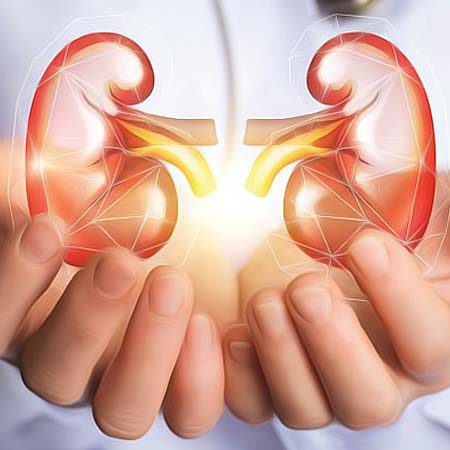 Kidney disease is a serious medical condition that requires careful treatment. There are many different health conditions that can lead to kidney disease, such as autoimmune diseases, cystic diseases, high blood pressure, cardiovascular disease, and diabetes. Depending on the severity of kidney-related health conditions, diagnosed individuals may require intensive dialysis on a weekly or daily basis.
Cannabinoids — specifically cannabidiol — show a great deal of promise in assisting individuals that have been diagnosed with kidney disease with managing the condition and minimizing the side effects caused by kidney disease medications.
A 2017 clinical investigation into the impact of cannabinoids on the kidneys determined that CBD and other hemp oil extracts hold the potential to deliver a range of health benefits that can boost renal function .
The most interesting application of CBD products for kidney disease is pain management. A March 2018 clinical trial investigating the potential application of cannabidiol found that CBD is able to assist with the management of pain associated with frequent use of the nonsteroidal anti-inflammatory drugs used to manage the condition .
The study revealed that a single dose of just 100 mg/day is able to deliver total pain improvement for individuals diagnosed with kidney disease, with no side effects. An earlier study performed in 2011 found that cannabidiol and other cannabinoids are able to help manage the common side effects caused by kidney disease medication, minimizing the impact of nausea, anorexia, and insomnia . While cannabidiol does show promise in assisting with managing kidney disease, research into the overall renal health benefits of CBD is still underway.
As the kidneys possess a high density of cannabinoid receptors , however, its possible that targeted CBD solutions may be identified that are able to significantly improve the health and quality of life of individuals diagnosed with kidney diseases.
Liver Disease
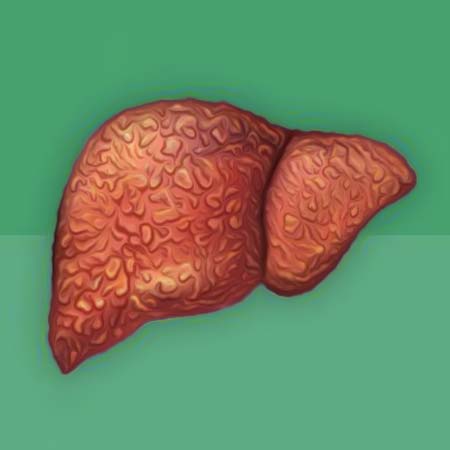 Liver disease is a term that can be used to refer to a wide range of health conditions that affect the liver. The most common liver disease is cirrhosis, a serious degenerative disease that causes the tissue of the liver to be progressively replaced by scar tissue.
Fatty liver disease is another common liver health condition that can rapidly develop into a systemic health disorder. The medications used by individuals can cause a wide range of debilitating side effects, such as weight gain, swelling in the extremities, skin rashes, and weight gain.
Fortunately, recent research into the health benefits of cannabidiol and other CBD compounds for liver disease has unearthed promising evidence. A groundbreaking study published in Israel in 2011 found that cannabidiol is able to significantly improve both liver and brain function , highlighting the close relationship between the human endocannabinoid system and liver health.
An interesting clinical investigation published in 2014 expanded on this research, assessing the role of endocannabinoids in fatty liver disease. Performed at the Liver Disease Research Center at the Department of Medicine at the Saudi Arabian King Saud University, the study found that cannabis extracts are able to mediate the complications of cirrhosis and heal hepatic injuries .
CBD and hemp oil extracts are also able to help individuals that suffer from alcoholism-induced liver damage. A clinical investigation published in 2017 found that cannabidiol is able to rectify the metabolic dysregulation caused by alcoholism-induced liver disease, as well as significantly lower inflammation levels in the liver .
The endocannabinoid system has been demonstrated to actually accelerate the progress of liver damage in some cases, but the type of cannabinoid used causes significantly different effects. CB1 has been shown to accelerate fibrosis in the liver, but CB2 cannabinoids have been shown to reverse liver fibrosis. Individuals seeking to boost liver health with cannabidiol should focus on CB2 cannabidiol when investigating CBD for liver disease.
Metabolic Syndrome
 Metabolic syndrome is not a single health condition, but is instead a collection of health conditions that significantly increase the risk of developing more serious health conditions such as diabetes, cardiovascular disease, and diabetes.
The health conditions that contribute to metabolic syndrome include high blood pressure, high cholesterol levels, high blood sugar, and abnormal amounts of abdominal fat. All of these health conditions, however, can be managed and in some cases completely reversed through the use of cannabidiol, or CBD extracts sourced from the cannabis plant.
There is a significant amount of clinical evidence supporting the use of cannabidiol in order to prevent and reverse metabolic syndrome. A clinical investigation published in the Handbook of Experimental Pharmacology in 2011 found that imbalances in the endocannabinoid system can cause a broad spectrum of health conditions, all of which contribute to the development of metabolic syndrome .
More compelling evidence supporting the use of CBD for metabolic syndrome can be found in a 2012 clinical investigation that found a strong relationship between metabolic syndrome and the production of specific cytokines — which cause inflammation.
Cannabidiol, according to the study, is able to deliver an immunomodulatory effect that inhibits the production of cytochrome P450 enzymes, which are closely associated with the development of health conditions that lead of metabolic syndrome .
Overall, the anti-inflammatory health benefits delivered by CBD oil are able to significantly limit the potential of developing metabolic syndrome or systemic health conditions. Cannabidiol, for example, has been clinically proven to dramatically lower the possibility that an individual may develop obesity, cardiovascular disease, systemic inflammation, or suffer from a stroke .
CBD and cannabidiol health products deliver systemic health benefits — as metabolic syndrome is a systemic health condition, there is extensive evidence that supports the use of CBD to prevent metabolic syndrome from occurring.
Migraine
 Migraines are extremely painful headaches that in most cases render individuals diagnosed with migraine conditions unable to complete common everyday tasks. The exact mechanism of action that causes migraines is currently unknown, but is associated with abnormal brain activity and the way chemicals, nerves, and the vascular system work with the brain.
The most commonly used medications used to manage the symptoms of migraines are triptans, which can cause a wide range of side effects such as hot flushes, skin tingling, drowsiness, dizziness, weakness, and burning at injection sites, as triptans are commonly injected.
The way in which the endocannabinoid system integrates with the function of the human brain, however, makes CBD for migraines a highly effective solution to manage the condition without medications or side effects.
A 2018 clinical investigation assessing the emerging role of cannabidiol as a treatment method for migraines shows that CBD plays an interesting role in the neurochemistry of the brain. The endocannabinoid system, according to the study, is closely related to the structures of the brain that are triggered during migraine headaches .
Cannabinoids, according to the study, deliver a wide range of health benefits such as anti-convulsive, analgesic, antiemetic, and anti-inflammatory properties, all of which work in synergy to function as a highly promising compound that can be used to quickly and effectively eliminate migraine headaches with no unwanted side effects.
Another clinical investigation performed in 2017 found that CBD can be used as a treatment method for virtually all headache disorders. Performed at the Department of Psychiatry at the University of California, the study demonstrates that cannabis extracts are able to alter headache pathophysiology, functioning as a powerful anti-headache medication.
Overall, CBD for migraine products are likely to be one of the most effective and important applications of cannabidiol despite the fact that the mechanism through which migraine headaches occur is not currently known.
Mood Disorders
 Mood disorders refer to a broad spectrum of psychological conditions that can loosely be defined as an inconsistent or distorted emotional state that is difficult for individuals diagnosed with the condition to control. Mood disorders can include elevated mood disorders and depressive mood disorders.
Mood disorders can be managed through the use of medications such as lithium, valproic acid, carbamazepine, and other mood stabilizers. These mood stabilizers, however, commonly cause a wide range of unwanted and deleterious side effects such as rashes, weight loss, excessive thirst, fluctuating blood levels, and even tremors and shaking.
Individuals that are diagnosed with mood disorders, however, commonly use CBD products and other hemp extracts that contain cannabidiol in order to manage the condition without side effects. For example, cannabidiol has been proven in multiple clinical trials to function as a highly effective treatment for anxiety disorders due to the powerful anxiolytic health benefits it delivers .
A lengthy investigation into the potential uses of CBD for neurological and psychological conditions conducted in 2018 assessed a wide variety of neurochemical interactions . The results captured by the study demonstrated that cannabidiol is able to provide antipsychotic benefits as well as protect the brain from neurodegeneration, which can exacerbate mood disorders and related health conditions.
A 2011 clinical study focused on the specific application of CBD for managing mood dysfunction. The study, performed at the Department of Psychiatry at the University of Newcastle on Tyne in the UK, found that the endocannabinoid system is responsible for cortical excitation, which is a key driver in mood response .
While there are currently no CBD products that have been clinically proven to completely eliminate mood disorders, cannabidiol is widely used by individual seeking to self-manage mood disorders to a highly effective degree without any negative health impact or damaging side effects.
Motion Sickness
 Motion sickness is an interesting medical condition that is caused by conflicting information entering the sensory organs, most commonly the vision and the inner ear. The symptoms of motion sickness are in most cases relatively benign, but for some individuals motion sickness can manifest as debilitating vertigo and nausea that can cause vomiting. Interestingly the term “nausea” is derived from the Greek word “naus,” which means ship — motion sickness is also referred to as “seasickness.”
Motion sickness can be managed through the use of two major medications — marezine and dramamine. While both of these medications are relatively effective at ameliorating the impact of motion sickness, both are known to cause drowsiness, which is not ideal for individuals that need to remain alert despite motion sickness.
Cannabinoids, however, have been demonstrated in multiple clinical trials to play an important role in the management of nausea and vomiting. While cannabinoids such as cannabidiol do not specifically interact with the neurological mechanisms that cause motion sickness, they are highly effective at managing the sensation of nausea and vomiting caused by the condition.
A 2011 clinical investigation published in the British Journal of Pharmacology demonstrated the highly effective antiemetic, or anti-nausea properties of CBD. While the study focused on nausea caused by radiotherapy in chemotherapy patients, the overall focus of the study — the regulation of nausea with CBD — demonstrates that cannabidiol can be a powerful tool for managing nausea and motion sickness
A specific clinical investigation into the impact of cannabidiol on motion sickness, however, delivers concrete proof that CBD is effective in treating the condition. Published in 2011 in the journal of Basic & Clinical Pharmacology & Toxicology, the study shows that CBD, administered before stimuli that causes motion sickness, is able to prevent the onset of nausea in a range of situations.
Multiple Sclerosis (MS)
 Multiple sclerosis, or MS, is a serious health condition that affects the spine and brain of diagnosed individuals. Multiple sclerosis causes a broad range of symptoms that eventually disrupt the transmission of nerve impulses between the brain and the rest of the body, causing numbness or weakness in the limbs, blindness, double vision, slurred speech, fatigue, and bladder control problems.
Unfortunately, there is no known cure for multiple sclerosis. The medications that are used to treat multiple sclerosis, such as lemtrada, novatrone, and ocrevus, all cause debilitating side effects such as headaches, rashes, and even serious fevers.
For individuals with multiple sclerosis, managing the condition is extremely important. The cannabis plant has been revealed to provide a broad spectrum of bioactive compounds that are able to assist individuals that have been diagnosed with multiple sclerosis in managing the condition. CBD for multiple sclerosis is a highly promising avenue of research.
A clinical investigation published in 2017 found that cannabis extracts such as cannabidiol are able to deliver a range of different health effects that minimize the symptoms of multiple sclerosis without causing any unwanted side effects, helping diagnosed individuals minimize the impact of psychosis, cognitive impairments, and boost neurological function .
Some of the most interesting research centered on the application of cannabidiol in the treatment of multiple sclerosis demonstrates that CBD can be used to assist diagnosed individuals in recovering mobility. Over time, individuals that suffer from multiple sclerosis lose a significant amount of mobility — a 2018 study shows that this process can be reversed through the use of CBD .
Published in Frontline Neurology, the study demonstrates that CBD is able to significantly lower the spasticity caused by multiple sclerosis, as well as minimize fatigue and pain in order to boost the mobility of multiple sclerosis patients with no unwanted side effects.
Nausea
 There are many different health conditions that can cause nausea. Characterized by the feeling of needing to vomit and discomfort centered around the stomach, nausea can be caused by pregnancy, anxiety, migraine headaches, gastrointestinal disorders and obstructions, medications, and even viruses, infections, inflammation, or chemotherapy.
There are many different medications and drugs that can be used to treat nausea. Pepto bismol and antihistamines are some of the most common over-the-counter treatments used to minimize the impact of nausea, but these solutions are not suitable for all individuals as they are often incompatible with the medications that cause the condition.
Cannabidiol, an extract of the cannabis plant, has been demonstrated in multiple clinical trials to minimize nausea. There is a significant body of scientific evidence that supports the use of THC-free cannabis extracts such as CBD in order to eliminate nausea as soon as it occurs.
The regions of the brain that are associated with the impulse to vomit and with nausea are closely associated with the endocannabinoid system. A A 2013 clinical investigation published in the European Journal of Pharmacology provides compelling evidence that CBD products can be used to modulate nausea and vomiting responses .
Cannabidiol, according to the meta-study, is a highly promising compound that can be used on a therapeutic basis to treat nausea as it occurs. Further research into the anti-nausea benefits of cannabidiol reveals that oral delivery of cannabidiol is highly effective in minimizing vomiting in individuals undergoing chemotherapy, which commonly causes severe nausea .
A 2011 study tested 80 individuals undergoing chemotherapy, providing participants with an oral CBD solution at a rate of 30 mg/day, revealing that CBD is a highly effective compound that can dramatically improve the quality of life of individuals suffering from chemotherapy-induced nausea without causing any unwanted or dangerous side effects.
Neurodegeneration
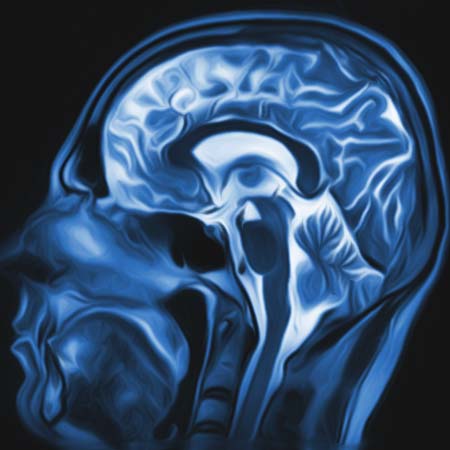 Neurodegeneration is the root cause of many conditions that cause debilitating cognitive effects such as Alzheimer’s disease. Neurodegenerative disorders are poorly understood at the current stage of medical science, and difficult to manage. The diseases caused by neurodegeneration include Huntington’s disease and Parkinson’s disease.
While these health conditions have different symptoms, they are all caused by the degradation of the neurons of the brain. Neurons function as the “building blocks” of the human nervous system — neurodegeneration is the progressive death of these building blocks, which ultimately has a serious negative impact on the cognitive ability of diagnosed individuals.
There are few drugs and medications that are able to assist with the treatment of these conditions. Neurodegeneration, however, is closely linked to the inflammation of brain tissue, also referred to as neuroinflammation.
Cannabidiol, however, is an extremely promising drug that can potentially be used to assist with the regeneration of neural tissue and slow the progression of neurodegenerative disorders. A 2009 clinical investigation into the health benefits of CBD found that cannabis extracts show potential for the therapeutic treatment of conditions that affect neuronal structures .
Additional research performed in 2013 found that CBD is able to modulate the production and release of cytokines in the brain, which are the primary cause of neuroinflammation and thus exacerbate neurodegenerative disorders . By minimizing neuroinflammation, CBD is able to slow the progress of neurodegenerative disorders such as Alzheimer’s and Parkinson’s.
Another clinical study into the health benefits of CBD demonstrates that CBD can be used to assist individuals suffering from dementia and, in some cases, even promote the return of neuroplasticity, which could potentially hold the key to restoring lost memory in diagnosed individuals .
While there is no specific cannabidiol-based solution for neurodegeneration on the market today, CBD is one of the most promising potential treatments for the condition.
Chronic Pain
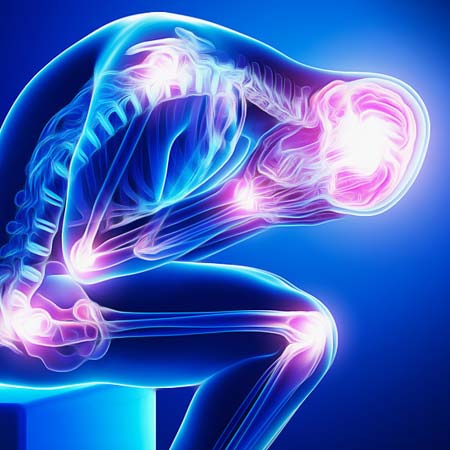 Chronic pain can be caused by a broad spectrum of different factors and is, in most cases, almost impossible for diagnosed individuals to live with in a normal manner. Chronic pain can refer to many different conditions, but is classified as any pain condition that lasts more than twelve weeks.
Chronic pain can be caused by chronic inflammation, digestive tract disorders, musculoskeletal injuries, systemic health disorders, blood pressure, and hundreds of other health conditions. The symptoms of chronic pain include decreased appetite, sleep disturbance, nausea, and more.
The management of chronic pain often places diagnosed individuals on an ever-increasing regime of pain medication, which can quickly establish an unwanted chemical reliance and associated side effects. CBD for chronic pain, however, is a powerful treatment option that is supported by extensive clinical science.
CBD oil for pain is backed up by some of the most widely-cited clinical research into the applications of cannabidiol available. An early 2008 clinical meta-study assessing the use of cannabidiol for difficult to treat pain found that the non-euphoriant nature of CBD makes it a ‘highly promising” treatment for chronic pain, and causes no unwanted side effects or dependencies .
Further research indicates that the human endocannabinoid system is closely linked to the central nervous system and is able to moderate the way pain is transmitted through nerves .
A complete clinical review of the use of cannabidiol in the management of pain was published in 2017. The review, performed partly at Harvard Medical School , assessed almost 100 different clinical investigations into CBD and notes that cannabinoids are a safer alternative to opiods for the management of serious ongoing chronic pain conditions.
Overall, CBD and other cannabis extracts are powerful tools that can be used to minimize the impact of chronic pain without any side effects — with more than 50% of all clinical data demonstrating promising results, the evidence supporting the use of CBD for chronic pain is highly compelling.
Obesity
 Obesity is a growing health epidemic that has serious consequence. As of 2018, there are now more overweight individuals in the US than there are individuals with a healthy weight, with over 30% of the entire US population classified as obese.
Obesity is caused primarily by poor dietary intake, which is exacerbated by aggressive food marketing, poor dietary choices, poor healthy food availability, and in some cases, the side effects of specific medications. Ultimately, the solution to obesity is a healthy diet and exercise, but there is a growing body of clinical evidence that supports the use of CBD oil for obesity.
CBD, or cannabidiol, has been demonstrated in multiple clinical investigations to modulate the appetite response of the human body. By modulating appetite, CBD appears to be able to limit the appetite desire. A 20120 neuropsychopharmacological investigation that was primarily focused on the appetite impact of THC versus CBD found an interesting fact — CBD actually lowers appetite response .
While this may be surprising, further clinical trials have revealed the specific mechanism of action through which CBD limits appetite response. A 2016 clinical investigation found that CBD is able to modulate the creation and release of adipocytes — fat cells — in the human body.
The study reveals that cannabidiol is able to modulate the endocannabinoids system of the human body and regulate thermogenesis, or the process that causes heat energy to be created by stored energy, or fat. In addition to this fact, the study also found that CBD causes the body to metabolise fat cells faster, making it a promising compound that can be used to prevent obesity.
While CBD is not a “fat burning” drug, research indicates that cannabidiol can be used to suppress appetite response and speed up the rate at which the body burns fat, making CBD for weight loss a real application of cannabis extracts and hemp oil.
OCD
 OCD, or obsessive-compulsive disorder, is a psychological condition that causes affected individuals to experience repeated thoughts or compulsions as well as mental images that typically interfere with day-to-day life.
Like most psychological conditions, obsessive-compulsive disorder can be managed with an array of different psychiatric medications. OCD is commonly treated with drugs such as prozac and zoloft, but these medications can cause side effects such as high fevers, sweating, fainting, or hallucinations.
As CBD oil is suitable for assisting with the management of psychological conditions, it shows a great deal of promise as a treatment for OCD. CBD for OCD has been investigated by many different clinical investigations, all of which provide compelling evidence for its use.
A highly-cited clinical investigation published in 2011 presents cannabidiol as a very effective treatment for anxiety disorders, and specifically focuses on the application of CBD for obsessive compulsive disorders .
There are a number of interesting clinical investigations that have proven the positive impact of CBD on OCD behaviours. A 2010 clinical trial assessed the impact of CBD on the Marble-Buying Test, a common clinical trial that is used to test the efficacy of specific solutions to compulsive behaviour.
The trial found that a small dose of 30 mg/kg of CBD is able to significantly limit compulsive behaviour in animal models . As OCD is largely an anxiety and stress driven condition, the anxiolytic and calming properties of CBD make it an extremely promising compound for the treatment of obsessive-compulsive disorder.
A 2012 clinical investigation supports previous data indicating positive CBD OCD applications, noting specifically that cannabidiol is able to mitigate OCD behaviors by interacting with the regions of the brain associated with compulsion . While there are not yet any CBD oil for OCD products targeting the exact condition, cannabidiol could potentially function as an effective method of managing the condition without causing any unwanted side effects or dependencies.
Osteoporosis/Bone Health
 Osteoporosis is a common health condition that causes bones to break more easily. In most cases, osteoporosis occurs in elderly individuals, as bone loss typically occurs at a higher rate after menopause or the shutdown of normal hormonal cycles in the body. As age proceeds, the rate at which the human body is able to reinforce bone tissue slows down, making bones more likely to break.
Osteoporosis can cause a broad range of other health conditions such as chronic pain, arthritis, and the inability to carry out everyday tasks. The current medical treatments for osteoporosis range from basic to severe, with some conditions requiring constant pain management, the application of SSRIs, and even the removal of the ovaries in order to prevent hormonal complications.
CBD oil may be associated with psychological or inflammatory health conditions, but new research into the potential benefits of cannabidiol has demonstrated that the human endocannabinoid system plays an important role in bone health that could potentially provide individuals that suffer from osteoporosis with a new and highly effective method of treatment.
CBD oil for osteoporosis has been investigated in many different clinical trials. A 2015 clinical investigation found surprising data — cannabidiol is actually capable of enhancing the rate at which the human body is able to heal fractures and speeds up the creation of new bone tissue .
This bone health enhancing property of CBD is caused by an interaction with the endocannabinoid system that speeds up the creation of enzymes that are associated with the distribution of collagen in the human body. Evidence gathered in the investigation found that CBD is able to speed up bone healing by up to four weeks.
The use of CBD oil for bone health is backed up by a large body of clinical evidence. In addition to speeding up bone healing and reinforcing bone health, CBD can also assist individuals suffering from osteoporosis with an effective side effect free pain management solution.
Parkinson’s Disease
 Parkinson’s disease is a neurodegenerative disorder that is caused by the progressive death of neuron cells in the brain. Parkinson’s causes nerve cells to break down and eventually die. This process begins to manifest in early stages as slight shaking, but proceeds to full-body shaking that is extremely debilitating and interferes with daily life.
There are a limited amount of drugs that are able to assist with the treatment and management of Parkinson’s disease. Most of these drugs come in the from of dopamine agonists, which commonly causes side effects such as nausea, difficulty sleeping and insomnia, and extreme hallucinations. These side effects make treating Parkinson’s disease very difficult for individuals diagnosed with the condition.
Fortunately, CBD oil for Parkinson’s disease is a topic that has been investigated by multiple clinical trials, with promising results. Cannabidiol has been shown to deliver relief to individuals suffering from neurodegenerative disorders such as Alzheimer’s, Huntington’s disease, and Parkinson’s disease and, in some cases, can even assist with the healing of damaged regions of the brain.
A 2017 clinical meta-study assessing over 90 individual scientific investigations into the potential benefits of CBD for Parkinson’s disease demonstrates that cannabis extracts are highly effective in treating and managing the condition .
In clinical trials, biochemical interactions caused by cannabidiol in the neural pathways associated with Parkinson’s disease have been identified that allow individuals diagnosed with the condition to access far more stable motor control — a very important discovery for Parkinson’s patients that struggle to perform everyday tasks.
Another clinical investigation published in 2018 found that CBD is able to prevent the development of movement disorders such as Parkinson’s before they occur, potentially establishing CBD as a preventative measure against neurodegenerative disorders.
Overall, the neuroprotective and anti-inflammatory properties of CBD oil makes it a highly promising treatment for individuals that suffer from Parkinson’s disease.
Prion/Mad Cow Disease
 Prion disease, commonly referred to as mad cow disease, is an extremely rare but extremely dangerous disease caused by a unique and interesting factor — misfolded proteins. Prion diseases aren’t caused by viruses, or bacteria — instead, mad cow disease and other prion diseases are caused by “glitched” proteins that, when they come into contact with other proteins, cause them to misfold as well.
For this reason, prions are referred to as “infections particles” and are extremely dangerous. All prion diseases, in all cases, are fatal — there is no cure. The most damaging aspect of prion diseases is the way they affect the brain. When a human comes into contact with prions, they will inevitably infect the brain of the infected individual and cause the brain tissue to degrade and die, leading to the death of the individual over time.
There are no treatments that can prevent prion infection or prion-caused deaths. There are therapies that can be used to slow down the process that causes neurodegeneration and prolong survival, however. .
Cannabidiol, or CBD, is one of the most promising therapies that can be used to slow down the protein misfolding process caused by prions. An interesting 2007 clinical investigation into the role of cannabinoids applied to prion infections found that cannabidiol is able to slow down the rate at which prions accumulate in the brain of an infected organism , significantly extending survival time.
Recent scientific research into prions supports the evidence gathered in the 2007 study — further clinical investigations have demonstrated that CBD is able to deliver a neuroprotective effect that slows down prion infection and multiplication .
Prions are extremely dangerous and rare molecules that science does not currently have an answer to, but the promising research currently underway into the ways that cannabidiol can assist in minimizing the impact of prions on the human body could potentially function as the key to solving the problem of this unique medical condition.
PTSD
 PTSD, or post-traumatic stress disorder, is a psychological condition that is typically triggered by a single event. Post traumatic stress disorder can be caused by a wide range of conditions, and typically manifests in individuals that have experienced a shocking, terrifying, or traumatic event.
The symptoms of post-traumatic stress disorder include nightmares and sudden flashbacks that can occur at any time, which can then trigger additional conditions such as anxiety disorder or depression. Post-traumatic stress disorder is typically treated with the use of antidepressants, which can cause a wide range of unwanted side effects that include constipation, dry mouth, weight gain, dizziness, and excessive sweating.
Cannabidiol, or CBD, has shown a great deal of promise in assisting individuals that struggle to deal with the symptoms of post-traumatic stress disorder. CBD for PTSD has been investigated in a wide range of clinical trials and studies, almost all of which show strong evidence for the therapeutic potential of cannabidiol.
A 2018 clinical investigation published in the Frontline Neuroscience journal performed an in-depth analysis of CBD for PTSD human trials, highlighting the importance of the endocannabinoid system in various brain functions that are related to post-traumatic stress disorder such as memory processing.
The study found that cannabidiol is an extremely promising therapeutic alternative to traditional antidepressants when treating post-traumatic stress disorders, noting that CBD offers the same, if not more effective, benefits as traditional solutions while causing virtually no side effects.
Another 2018 clinical trial into the benefits of CBD oil for PTSD found that the oral administration of CBD oil is able to significantly reduce the total number of nightmares experiences by individuals suffering from post-traumatic stress disorder, as well as deliver overall psychological relief at a measured rate of over 28% improvement .
Overall, the use of CBD oil and cannabidiol for treating post-traumatic stress disorder is widely supported and can be regarded as a strongly-evidenced application of cannabis extract.
Rheumatism
 Rheumatism is defined as any disease characterized by pain or inflammation in the joints of the human body, and thus can be used to refer to arthritis, musculoskeletal diseases, and joint disorders. The treatment of rheumatic diseases commonly involves the use of nonsteroidal anti-inflammatory drugs, which can be applied topically or ingested orally.
While nonsteroidal anti-inflammatory drugs can be effective in relieving the symptoms of rheumatic disorders, they don’t address the primary cause — inflammation. The biological processes that occur in the human body that cause inflammation are fairly well understood, and typically involve the release of cytokines — compounds that lead directly to inflammation.
There are many health supplements that can be used to minimize inflammation in the human body on a holistic basis, but there are very few drugs or medications that can actively resolve inflammation directly. Cannabidiol, or CBD, appears to be able to do just this, working with the endocannabinoid system of the human body to suppress and inhibit the release of cytokines.
CBD for rheumatism is a relatively straightforward concept — rheumatism is caused by inflammation, so reducing inflammation helps to manage and resolve rheumatism. As a non-psychotropic compound, CBD is sourced from the cannabis plant, but does not contain the psychoactive element — THC.
The use of CBD for joint inflammation is backed up by a significant amount of clinical evidence. The most widely cited clinical study into the inflammatory system interactions of CBD with the human body is a 2018 study which identifies CBD as a powerful tool for minimizing dermal inflammation .
Another clinical investigation published in 2009 supports the use of cannabinoids as novel anti-inflammatory drugs, citing the unique ability of cannabinoids to modulate the immune system response of the human body through the endocannabinoid system . Overall, CBD is a powerful and effective solution to manage rheumatic conditions.
Schizophrenia
 Schizophrenia is not a single psychological condition, but is instead an umbrella term that is used to refer to a broad spectrum of different cognitive and behavior conditions that impair normal function. Schizophrenia symptoms include delusions, hallucinations, depression, disorganized thinking, and a lack of emotional response.
Treating schizophrenia generally involves the use of antipsychotic medications. These medications include powerful psychiatric drugs such as thorazine, stelazine, mellaril, navane, and prolixin, all of which cause serious side effects. Antipsychotic side effects include suicidal thoughts, dizziness, and rapid heartbeat.
Interestingly, cannabidiol has been demonstrated in a wide range of different clinical investigations to deliver profound positive benefits on cognitive function. Cannabidiol, or CBD, has proven anxiolytic anti-anxiety benefits, and has recently been proven to deliver antipsychotic benefits as well.
A recent 2018 clinical investigation focusing on the psychological benefits of cannabidiol assessed the impact of CBD supplementation in a peer-reviewed double-blind placebo-controlled clinical trial. The trial revealed that individuals in the group receiving a CBD supplement reported far lower levels of psychotic symptoms and demonstrated far more efficient cognitive function .
A 30-year analysis of all of the collected clinical data available on the psychological impact of cannabidiol published in 2012 supports the evidence gathered in the clinical investigation, stating that CBD is a powerful tool that can be used as a therapeutic solution to assist individuals diagnosed with schizophrenia .
Further research into the impact of cannabidiol on the human body reveals that the endocannabinoid system that CBD interacts with plays a critical role in the function of many cognitive processes that are altered by schizophrenia, such as emotional, reward processing, sleep regulation, and memory functions .
Overall, CBD has been proven to function as an effective antipsychotic agent that does not cause any unwanted side effects and is thus a highly promising potential alternative to traditional antipsychotic medication options.
Sickle Cell Anemia
 Sickle cell anemia is a hereditary form of anemia, a health condition that restricts the flow of blood around the human body. The symptoms of sickle cell anemia can be severe — if left entirely unmanaged, sickle cell anemia can cause chronic pain, fatigue, low energy levels, swelling of the hands and feet, stunted growth, and frequent infections in addition to vision problems.
Severe cases of sickle cell anemia can progress into life-threatening health conditions such as pulmonary hypertension, acute chest syndrome, or even stroken, making it critical that individuals diagnosed with the condition take steps to manage it.
Pharmaceutical science currently promotes the treatment of sickle cell anemia with Hydroxyurea, a drug that stimulates the production of hemoglobin. Hydroxyurea, however, causes a range of side effects that include confusion, disorientation, hallucinations, and fever.
Cannabidiol or CBD treatment for sickle cell anemia, however, has recently emerged as a highly effective alternative used by individuals diagnosed with the condition to manage the pain it causes. A 2016 clinical investigation into the potential health applications of cannabidiol found that CBD is able to significantly minimize the pain response experienced by individuals suffering from sickle cell anemia-associated pain .
The use of CBD oil for sickle cell anemia is a relatively new medical innovation, so there is a limited amount of conclusive scientific clinical evidence to support its use. There is, however, a highly interesting 2017 clinical investigation detailing the impact of recreational cannabis use on individuals diagnosed with sickle cell anemia .
Cannabidiol has been proven to function as an effective solution for increasing the health of the various systems of the body associated with blood flow in various clinical trials, however . While CBD does not yet have any evidence supporting its use as a solution to the causes of sickle cell anemia, it is highly effective at assisting with the management of sickle cell anemia pain symptoms.
Skin Conditions
 Skin conditions come in many different forms. Some skin conditions, such as acne, are caused by bacteria like acne vulgaris and are extremely common, while rarer forms of skin conditions may emerge due to immune system responses and systemic health conditions, such as eczema and dermatitis.
Virtually all skin conditions share a common cause, however — inflammation. The immune system of the human body releases cytokines, which cause an inflammatory response in the skin. This response causes the skin to appear red and painful, often resulting in peeling and flaking. In many cases, addressing the root cause of inflammation is able to significantly assist with the management of skin conditions.
There are many different methods that can be used to minimize the impact and pain associated with skin conditions, such as dietary choices, supplements, or creams and topical lotions. Cannabidiol, however, offers a wide range of anti-inflammatory properties that make it ideal for treating skin conditions.
The use of CBD for skin conditions and CBD for dermatitis is supported by a large body of clinical evidence. A clinical investigation published in 2017 revealed that the endocannabinoid system plays a critical role in the signalling process of the immune system — CBD, states the study, is able to dramatically lower overall systemic inflammatory in the human body, thereby minimizing the symptoms of skin conditions .
Another study published in 2005 investigated the benefits of hemp seed oil, which is typically rich in cannabidiol, in treating atopic dermatitis. The study found that taking hemp seed oil as a dietary supplement is able to significantly improve the clinical conditions of atopic dermatitis, delivering both CBD and polyunsaturated fatty acids to damaged skin .
More recent research shows that CBD is a powerful tool that can be used to positively impact skin health. A 2018 clinical investigation shows that allergic contact dermatitis can be eliminated by CBD, delivering solid evidence for the use of CBD for skin conditions.
Sleep Disorders
 Sleep disorders are extremely common. Statistic show that more than 10% of individuals in the US suffer from sleep disorders, which can have a profound impact on day-to-day life and overall health. Sleep disorders are caused by many different factors, including painful medical conditions, hormonal imbalances, anxiety, and other psychological conditions.
In order to manage sleep disorders, many individuals turn to ‘sleep aids,” or medication that induces sleep. Sleeping drugs, however, can cause a wide range of unwanted side effects that include dizziness, lightheadedness, or blood pressure problems.
There is a growing amount of clinical evidence that supports the use of CBD for sleep disorders. Cannabidiol is a proven anxiolytic compound that is able to minimize anxiety behaviours and assist users in relaxing, which is extremely difficult for individuals that suffer from sleep disorders.
The use of CBD and cannabidiol products such as CBD oil for sleep disorders is extensively supported by clinical evidence. A comprehensive review of all available clinical evidence was performed in 2017 and published in the Current Psychiatric Reports Journal, and revealed some interesting data.
Cannabidiol, according to the literature review, is extremely effective in assisting with the promotion of restful sleep, and holds a significant amount of potential for treating extremely difficult cases of insomnia. Another interesting application of CBD oil is for the treatment of obstructive sleep apnea, another sleep condition that can be potentially life-threatening and lead to cardiovascular disease.
The regular use of cannabidiol and CBD products has been demonstrated in clinical trials to promote a balanced, healthy sleep/wake cycle. A 2013 clinical investigation tested the impact of CBD oil supplementation on sleep, revealing that regular supplementation of CBD at a rate of just 2.5 mg/kg is able to lengthen restful sleep times and increase sleep latency , an ideal solution for individuals struggling to achieve normal sleeping patterns.
Spinal Cord Injury
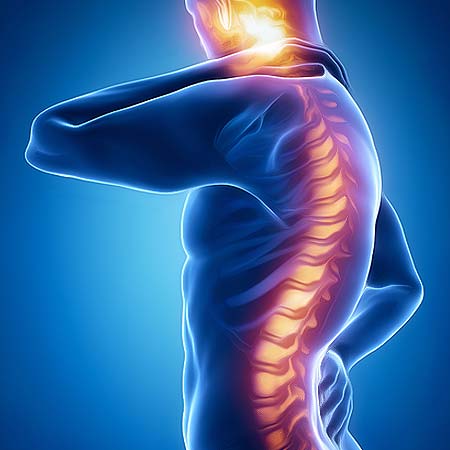 Spinal injuries range in severity, but can be extremely detrimental to individuals that suffer from spinal damage. There are many different types of spinal cord injuries, ranging from small hyperextension injuries to very serious complete spinal cord injuries that eliminate all spinal function.
Spinal injuries can result in tetraplegia, which causes a varying degree of paralysis in all limbs, to paraplegia, in which all sensation and movement is lost in the lower limbs. Quadriplegia is the loss of sensation and function in all limbs and torso, while triplegia is the loss of function and sensation in one arm and both legs.
Any type of spinal injury, however, is extremely severe, and can cause a significant amount of chronic pain. Individuals that suffer from spinal injuries may suffer from ongoing pain issues, which require extensive medication that can cause dependencies, and may also suffer from anxiety, depression, or other serious psychological disorders.
Fortunately, CBD oil and other cannabidiol products have been demonstrated to significantly improve the quality of life and minimize the symptoms of health conditions for individuals that suffer from chronic pain conditions. CBD is also able to deliver potent antidepressant benefits and assist with the management of anxiety, completely without negative side effects or addition problems.
Some of the most interesting research into the benefits of CBD, however, shows that CBD holds the potential to improve motor ability subsequent to a spinal injury. A 2012 clinical investigation into the benefits of CBD oil and cannabidiol found that rats subjected to a spinal injury and then provided with cannabidiol were able to recover a significant amount of spinal function and locomotion .
While there is not yet any concrete evidence that demonstrates that CBD is able to promote the healing of spinal injuries, the fact that in-vivo trails have provided strong evidence of CBD-catalyzed healing in spinal injuries is extremely promising.
Stress
 Stress is one of the most common health conditions in the world, and can lead to a broad spectrum of systemic health disorders. Stress is experienced by almost every human on the plant, but when stress becomes unmanageable, stress disorders may manifest.
Unmanaged stress can cause a variety of symptoms, including poor sleep, high blood pressure, cardiovascular conditions, mood disorders, depression, anxiety, headaches, heartburn, insomnia, and a weakened immune system. Put simply, stress is often the root cause of many other health conditions.
There are many different ways to manage stress. CBD, or cannabidiol, however, has been proven to positively impact stress responses in stressed individuals and assist with the management of stress without causing any unwanted side effects.
The use of CBD oil for stress is supported by several clinical studies that deliver compelling evidence. Anxiety disorders can be considered to be an extreme version of stress, and often emerge from stress condition maintained for an extended period of time.
CBD and cannabidiol has been demonstrated in a 2015 clinical investigation to function as a powerful anxiolytic, or anti-anxiety medication, that causes no unwanted side effects . Clinical data reveals that the Cb1 and Cb2 receptors of the endocannabinoid system in the human body can regulate specific regions of the brain associated with the release of serotonin and cortisol, two hormones that are critical to the regulation of stress.
A single dose of cannabidiol, for example, has been clinically proven to instantly reduce blood pressure levels, assisting the body in maintaining homeostasis and reducing the physiological symptoms of stress disorders .
Similarly, cannabidiol has been proven to deliver potent anti-panic properties, making it an ideal instant solution for individuals that suffer from stress-related panic attacks . Overall, CBD oil is a very effective solution for managing stress that is supported by extensive clinical evidence.
Stroke and TBI
 Strokes and traumatic brain injuries are dissimilar in the way they occur, but have a similar effect on the way the brain functions. Strokes occur when the blood supply to the brain is disrupted, which deprives the brain of oxygen and nutrients, causing damage. TBI, or traumatic brain injuries, occur when the head suffers damage, typically blunt force trauma.
Both traumatic brain injuries and stroke cause the same cognitive impact, however — damage to the brain reduces cognitive function, and can have an extreme impact on the cognitive ability of an individual.
There are very few ways in which an individual that has suffered from a stroke or traumatic brain injury is able to recover brain function. Current medical techniques promote rehabilitation processes, which are aimed at assisting individuals that have suffered from a stroke or a traumatic brain injury in regaining independence and improving their quality of life.
Cannabidiol has been demonstrated in a significant amount of clinical evidence to assist with the recovery process subsequent to a stroke or traumatic brain injury. Specific clinical investigations into the benefits of cannabidiol used as a treatment for individuals with stroke-induced impaired brain function reveal that CBD may be able to speed up the recovery period.
A 2015 clinical investigation published in Neurotherapeutics assessed the impact of cannabidiol on the process of preserving, rescuing, repairing, and replacing neurons lost in traumatic brain injuries and strokes. The study found that cannabinoids interact with the endocannabinoid system of the human body in order to promote homeostasis in the brain, as well as offering neuroprotective properties.
Interestingly, the use of CBD in brain injuries was proven in the trial to cause higher control of immune system responses in damaged brain tissue, and — importantly — improved neurological function, highlighting the powerful way in which cannabinoids such as CBD oil are able to help damaged brain tissue heal.