CBDOilReviews.com

Category: Legal & Regulation

  • Medical Use Of Marijuana Earns Approval In Thailand For Legalization Along With Kratom

    Medical Use Of Marijuana Earns Approval In Thailand For Legalization Along With Kratom

    A recent vote on the legalization of medical marijuana had no opposers in Thailand. After the results showed 166-0 in favor of this legalization, Thailand’s National Legislative Assembly (NLA) stated that the use of medical marijuana was now approve, using both cannabis and kratom plants. These drugs are still considered schedule 5 drugs, which means illegal possession would result in a death sentence. However, the approved use by a physician is now an option.

    With this new amendment, the National Narcotics Control Committee gained eight new members. The new law, which is referred to as the Narcotics Act, will officially become the law in about four months when the Royal Thai Government Gazette publishes it. The general rule in Thailand is that the new laws approved by the government are not actually in effect until this publication.

    The approval occurred on Christmas Day, and the public hearings showed an overwhelming number of citizens in favor of the approval. The chairman of the drafting committee, Somchai Sawangkarn, commented, “This is a New Year’s gift from the National Legislative Assembly to the government and the Thai people.” Much like the policies in the United States, marijuana used to be purchased via apothecaries as a method of pain relief and soothing fatigue in Thailand. However, this use ended when the prohibition happened in the 1930s.

    Kratom is a tropical evergreen tree that is related to the coffee plant, and it is native to Thailand, Indonesia, Malaysia, Myanmar, and Papua New Guinea. Much like marijuana, it was used in traditional medicines since the 19th century or so, but it has the same classification as a result of the prohibition as well.

    Presently, the recreational use of cannabis is still a crime. Other than the Saudi Arabian kingdom, South East Asia has some of the strictest laws on this use, and most countries have deemed it punishable by death. Anyone who is caught trafficking marijuana within Singapore, Indonesia, and Malaysia are also subjected to the same death penalty. However, the transport or production of marijuana can be punished by up to 15 years of imprisonment and up to 1.5 million baht (about $46,000). Medical marijuana legalization is in the works for Malaysia, though it is still being discussed.

    With this legalization comes other changes, like the accusation that the Thai Intellectual Property Department has been participating in corruption. This accusation is a result of ignoring the local orders and has been processing cannabis patents that were not eligible to Big Pharma. Ultimately, this leads local researchers to a significant disadvantage.

    According to Pratch Rujivanarom, as reported in the nation,

    “The IP is intentionally ignoring its legal duty in order to benefit transnational pharmaceutical conglomerates by accepting ineligible cannabinoid medicine patent registration applications for consideration.” The allegations continue that “in the process, (of receiving patent applications) the department has potentially sabotaged Thai medical research and development based on cannabis.”

    Allegedly, Free Trade Agreement Watch, which is a group of activists from multiple organizations, was the leading force for “medical access campaigners” to demand that “the IP department disclose all information related to every cannabinoid drug patent application it has received.” This same group allegedly demanded that the department “immediately freeze all cannabinoid drug patent applications, which violate intellectual property law.”

    Dean Panthep Puapongpan, who works at the Rangsit Institute of Integrative Medicine and Anti-Ageing, said, “we’re going to demand that the government revoke all these requests before the law takes effect.”

    Dean Puapongpan added,

    “We are strongly opposed to patent registration of medical cannabis because Thai people have learnt [sic] to use cannabis in many traditional Thai medicines for hundreds of years. Everyone should have the right to equal access to cannabis for medical treatment.”

    In the legislation, the bill notes the substantial benefits that the extract from marijuana shows in medicine. It adds that this knowledge has created an urgency for “many countries around the world to ease their laws by enacting legal amendments to allow their citizens to legally use kratom and marijuana for medicinal or recreational purposes,” according to a Reuters report.

    Even though marijuana is classified as an illegal substance already, there are many citizens that use it medicinally anyway. The passing of this bill will ensure that any activity related to medical marijuana – production, import, export, possession, and use – will see restrictions lifted. However, the entities that handle the plants require licensing first, and the patients will only be able to treat themselves with a current prescription for medical marijuana.

    Currently, there is no information on the suppliers of medical marijuana and kratom.

  • U.S. Hemp Roundtable Supporter Review: Join The American CBD Movement

    U.S. Hemp Roundtable Supporter Review: Join The American CBD Movement

    U.S. Hemp Roundtable is an industry organization for hemp growers. Find out everything you need to know about U.S. Hemp Roundtable and HempSupporter.com today in our review.

    What Is U.S. Hemp Roundtable?

    U.S. Hemp Roundtable is an industry advocacy organization aiming to make hemp fully legal across the United States. Founded in 2018, the Kentucky-based organization fought throughout 2018 to permanently legalize industrial hemp in the United States.

    The organization can be found online at HempSupporter.com, where you can also read basic information about the organization, its goals, and its accomplishments.

    One of the key goals of U.S. Hemp Roundtable is to convince Americans that hemp farming is good for America. Legal, industrial hemp farming can revitalize entire regions of the United States. Kentucky, for example, is one of the country’s best hemp-growing regions. Without full commercial legalization of hemp, however, farmers in Kentucky struggle to enjoy the economic benefits.

    Times are changing in the United States with regards to hemp legalization. Throughout most of the last 100 years, hemp has been illegal in the United States, and farmers across the country were forced to import hemp. Now, with the 2018 Farm Bill and other initiatives, hemp is slowly becoming legal across the country.

    U.S. Hemp Roundtable is also known for its Hemp Industries Association (HIA), which has 800+ stakeholders across the country. Many of the country’s largest hemp and CBD producers are part of the association.

    What Does U.S. Hemp Roundtable Do?

    One of the major milestones in the battle for legal hemp occurred a few years ago when the U.S. Congress and more than 40 state legislatures permitted hemp cultivation as part of a research pilot program. U.S. Hemp Roundtable describes this program as “an unqualified success” that has created thousands of jobs across the country.

    Because of the success of that pilot program, industrial hemp production has been legalized countrywide as part of the 2018 Farm Bill signed in December 2018. Here’s how U.S. Hemp Roundtable described the passage of the 2018 Farm Bill:

    “Thanks to Hemp Supporters like you, this successful experiment is now becoming a permanent reality. Together, citizens from across government, the agricultural industry, U.S. manufacturers, the small business community, and beyond, secured the passage of legislation that established hemp as an agricultural commodity, removing it completely and permanently from the purview of the Controlled Substances Act.”

    Today, hemp has been removed from the Controlled Substances Act. As long as your cannabis crop has a THC content below 0.3%, it will be considered hemp – an agricultural crop – not marijuana – a schedule I drug.

    So what’s the next step for U.S. Hemp Roundtable? The next step is to take the battle to individual states. Here’s how the organization describes its current mission:

    “…there’s more work to do. We are now taking our battle to states that have not yet joined the cause, and to federal and local agencies that may try to over-regulate. Join our movement to permanently legalize hemp. Sign up as a Hemp Supporter. Because Hemp Supports America.”

    Today, you can pledge to support the hemp industry by signing up on HempSupporter.com as a “Hemp Supporter”.

    U.S. Hemp Roundtable Educates Americans On The Benefits Of Hemp

    Over the past year, the U.S. Hemp Roundtable has been busting myths about hemp. They have launched marketing campaigns highlighting the economic benefits of hemp production, for example, and the differences between hemp and marijuana. Some of the prominent hemp facts stated on the U.S. Hemp Roundtable website include:

    Hemp Is Not Marijuana

    “While they come from the same plant species, hemp has no – or just trace amounts – of THC, the intoxicating chemical in marijuana,” explains the official industry organization website. As mentioned above, the 2018 Farm Bill classifies hemp as any cannabis plant with 0.3% THC content or less.

    Hemp Has A Deep, Enduring American History

    The U.S. Hemp Roundtable website reminds Americans that hemp was “a leading cash crop grown by many of our nation’s founders.” That cash crop played a crucial role in both World Wars. Hemp farming, however, was made illegal in the 20th century due to fears of marijuana. Although hemp production has been illegal, hemp importation has not been illegal. This has led to many other nations enjoying the economic benefits of hemp production while U.S. farmers miss out on the cash crop. “We believe those jobs and economic opportunity belong in the U.S.,” explains the U.S. Hemp Roundtable website.

    Farmers Want To Permanently Legalize Hemp

    U.S. Hemp Roundtable claims American farmers “are pleading” to legalize hemp. Pilot programs have helped fuel the domestic help industry, although full legalization of hemp wasn’t a reality until the passage of the 2018 Farm Bill. U.S. Hemp Roundtable mentions that groups like the American Farm Bureau Federation and the National Farmers Union were calling for hemp to be legalized in the 2018 Farm Bill.

    Hemp Has Already Created Thousands Of Jobs

    The 2018 Farm Bill included provisions allowing a pilot program for hemp production. That pilot program, according to U.S. Hemp Roundtable, led to the creation of thousands of jobs as well as a thriving national market for multiple types of hemp products – including clothes, personal care items, animal feed, foods, nutritional supplements, and more. Now that the 2018 Farm Bill is signed, we may witness greater economic benefits over the coming years. U.S. Hemp Roundtable claims experts are predicting a multi-billion dollar hemp industry in the United States by 2020.

    Many Hemp Producers Are Members Of U.S. Hemp Roundtable’s Hemp Industries Association (HIA)

    Today, a number of American hemp and CBD producers have joined U.S. Hemp Roundtable or its Hemp Industries Association (HIA). It’s a sign they’re committed to pushing the industry forward.

    Direct sales company Zilis, for example, is a member of U.S. Hemp Roundtable. Zilis sells CBD nutritional supplements using their proprietary UltraCell technology.

    GenCanna, a vertically-integrated CBD and hemp producer, is also a member. GenCanna is known for its Production Platform that ensures a reliable, compliant bulk source of hemp-derived CBD oils, isolates, and other finished goods.

    Charlotte’s Web, the Colorado-based CBD manufacturer known for its high-quality CBD supplements, is also a member of U.S. Hemp Roundtable, as are Ananda Hemp, CV Sciences, Elixinol Global, and others.

    Conclusion

    U.S. Hemp Roundtable, found online at HempSupporter.com, is an industry organization devoted to pushing hemp legalization forward. Throughout 2018, U.S. Hemp Roundtable petitioned for industrial hemp production to be legalized in the 2018 Farm Bill. The 2018 Farm Bill was signed in December 2018, which means industrial hemp production is legal nationwide. Now, the goal of U.S. Hemp Roundtable is to encourage hemp legalization in specific states while also lobbying other issues on behalf of the hemp industry.

    To learn more about U.S. Hemp Roundtable and the Hemp Industries Association (HIA), visit online today at HempSupporter.com

  • FDA Opens Pandora’s Box on CBD Oil Products’ Interstate Commerce with 2018 Hemp Farm Bill Passing

    FDA Opens Pandora’s Box on CBD Oil Products’ Interstate Commerce with 2018 Hemp Farm Bill Passing

    As expected, President Trump signed the 2018 Farm Bill into law, thus narrowly legalizing an industrial hemp industry. Right at the heels of the freshly signed legislation, the Food and Drug Administration (FDA) published a press release in response. Therein, the FDA pledges to pursue methods that would enable businesses to legally market products that feature cannabis or cannabis-derived substances.

    Such action would also enable the agency to take enforcement action against those who are non-compliant with the FDA’s requirements and that may make unattenuated claims concerning the therapeutic benefits of CBD, hemp-derived products, and the like. According to Scott Gottlieb of the FDA, “ In view of the proliferation of products containing cannabis or cannabis-derived substances, the FDA will advance new steps to better define our public health obligations in this area. We’ll also continue to closely scrutinize products that could pose risk to consumers.”

    Gottlieb further added that the components of marijuana, including THC and CBD are active ingredients in FDA-approved drugs. One such drug is Epidiolex, which is used to treat epilepsy. Nonetheless, it is still illegal to “introduce drug ingredients like these into the food supply, or to market them as dietary supplements.”

    Interestingly enough, Gottlieb still stressed that the FDA has the power to provide businesses with permission to legally market CBD-derived products. The grant is circumstantial, though. He stated,

    “In addition, pathways remain available for the FDA to consider whether there are circumstances in which certain cannabis-derived compounds might be permitted in a food or dietary supplement. Although such products are generally prohibited to be introduced in interstate commerce, the FDA has authority to issue a regulation allowing the use of pharmaceutical ingredients in a food or dietary supplement. We are taking new steps to evaluate whether we should pursue such a process.”

    There are also food substances that can be derived from the hemp plant, and that that contain either a trace amount to no cannabinoids. For example, substances include hulled hemp seeds, hemp seed protein, and hemp seed oil. These, according to the FDA, are safe based on “generally recognized as safe.” Further, “these products can be legally marketed in human foods for these uses without food additive approval, provided they comply with all other requirements and do not make disease treatment claims.”

    The FDA released another press statement, in which it expanded on the concept of the use of hemp-based food substances in products. The agency added,

    “The GRAS notices are for three different hemp seed-derived ingredients. The GRAS conclusions can apply to ingredients from other companies, if they are manufactured in a way that is consistent with the notices and they meet the listed specifications. Some of the intended uses for these ingredients include adding them as source of protein, carbohydrates, oil, and other nutrients to beverages (juices, smoothies, protein drinks, plant-based alternatives to dairy products), soups, dips, spreads, sauces, dressings, plant-based alternatives to meat products, desserts, baked goods, cereals, snacks and nutrition bars. Products that contain any of these hemp seed-derived ingredients must declare them by name on the ingredient list.”

    In the coming months, the agency is planning on holding a public meeting to generate input from stakeholders. The additional information will help determine the next steps for creating lawful pathways for cannabis or cannabis-derived compound marketing.

  • FDA Says CBD Oil Has Many Roadblocks to Overcome Despite 2018 Hemp Farm Bill Passing

    FDA Says CBD Oil Has Many Roadblocks to Overcome Despite 2018 Hemp Farm Bill Passing

    With so many states legalizing marijuana both medicinally and recreationally, it would be normal to believe that CBD is just as easy to acquire, but there are many issues in the way still. The Farm Bill of 2018 has finally passed, but the FDA’s Commissioner has recently reminded companies and the public that the marketing of dietary supplements containing CBD is illegal still. Commissioner Dr. Scott Gottlieb, MD, has already threatened to enforce the laws, but compromising is preferable.

    Dr. Gottlieb’s statement comes at the same time that the bill was finally signed, but his concern appears to be over what the bill changes. While many companies have believed that the bill is to legalize the trade of CBD throughout the country, that’s not actually the case.

    The bill separates industrial hemp from being categorized under marijuana, which is covered in the Controlled Substances Act. Though one barrier is down, many others are up. As Dr. Gottlieb explains, “Congress explicitly preserved the agency’s current authority to regulate products containing cannabis or cannabis-derived compounds under the Federal Food, Drug, and Cosmetic Act (FD&C Act) and section 351 of the Public Health Service Act.”

    His statement continues, “Additionally, it’s unlawful under the FD&C Act to introduce food containing added CBD or THC into interstate commerce, or to market CBD or THC products as, or in, dietary supplements, regardless of whether the substances are hemp-deprived.”

    For quite some time, the FDA has maintained the same stance that CBD is considered a drug, which means it cannot ever be considered a legal dietary ingredient. The agency explained, “This is because both CBD and THC are active ingredients in FDA-approved drugs and were the subject of substantial clinical investigations before they were marketed as foods or dietary supplements. Under the FD&C Act, it’s illegal to introduce drug ingredients like these into the food supply, or to market them as dietary supplements. This is a requirement that we apply across the board to food products that contain substances that are active ingredients in any drug.”

    If there was any chance of proving CBD’s use as a legal supplement on the market before the research, the case would be different. Considering the millions of dollars in the air, it is surprising that no one has pursued this option. Making matters more complicated, CBD would still end up falling under the New Dietary Ingredient provisions, even if the previous research hadn’t happened.

    The big concern of the FDA at this moment is the illegal drug claims attached to CBD, like how it impacts cancer, Alzheimer’s, diabetes, and more. Dr. Gottlieb commented, “We’ll take enforcement action needed to protect public health against companies illegally selling cannabis and cannabis-derived products that can put consumers at risk and are being marketed in violation of the FDA’s authorities.”

    At this point, the news isn’t completely negative. Dr. Gottlieb had noted that a compromise in the industry is possible, but it would need to include a chance for the FDA to research and examine the safety of CBD. Elaborating, Dr. Gottlieb said,

    “FDA has authority to issue a regulation allowing the use of a pharmaceutical ingredient in a food or dietary supplement. We are taking new steps to evaluate whether we should pursue such a process. However, the FDA would only consider doing so if the agency were able to determine that all other requirements in the FD&C Act are met, including those required for food additives or new dietary ingredients.”

  • Donald Trump Officially Legalizes Hemp as CBD Oil Products Thank POTUS’ 2018 Farm Bill

    Donald Trump Officially Legalizes Hemp as CBD Oil Products Thank POTUS’ 2018 Farm Bill

    Hemp to Be Legal in the United States After More Than Seventy Years

    In a historic moment for the hemp growers and the cannabis industry, at 4 p.m. EST on Dec. 20, President Donald Trump signed into effect the 2018 Farm Bill into law. This makes it legal to grow hemp in all of the country for the first time since the Second World War.

    The prime focus of the bulky 800-page bill is to enable and assist with providing funds for the food assistance program and to ensure farmers are provided more subsidies. It also includes provisions that remove hemp from the Controlled Substances List. It now falls under the purview of the Department of Agriculture to build a legal system around the plan.

    In attendance were Sonny Perdue, Secretary of Agriculture and Vice President Mike Pence, as the president energetically spoke about his oft-repeated support for the farmers of middle America. He then discussed the criminal justice reform and spoke at length about his, arguably favorite topic, the proposed border wall. Although Mr. Trump did not mention hemp legalization, he did sign the dotted line to pass the bill and allow hemp growers to rejoice.

    Ending the Stigma?

    The sections covering hemp are pretty clear and concise. It eliminates hemp as the Cannabis sativa plant and its derivatives and cannabinoids, as long as it has less than 0.3 percent THC. With this change now in effect both Cannabis and its more famous counterpart CBD, will no longer be a Schedule I drug, as long as CBD is derived from hemp.

    This also means that the hemp plant, as it is no longer a controlled substance, will no longer be under the authority of the Drug Enforcement Agency (DEA) and instead fall under the jurisdiction of the Department of Agriculture. This removes a substantial stigma that has been associated with the plant. The new department has its work cut out as it needs to finalize a whole slew of matters. Specifics of the regulations for hemp cultivation, licensing, testing and enforcement will have to be drawn from scratch. The law allows individual States and tribal governments to set their own restrictions as long as it doesn’t interfere with interstate commerce.

    Regularization Though Regulations

    Underlining this as a major victory for his industry, the political director of NORML, Justin Strekal stated “These changes represent a significant and long overdue shift in U.S. policy,” though this is only the beginning. He went on to say:

    “Nonetheless, future regulatory efforts will likely still be required to address emerging consumer issues when it comes to the commercial sale and marketing of certain hemp-derived products, particularly so-called hemp-derived CBD extracts.”

    He went on to emphasize how this is the best way to reign in the hemp-derived products. Many of the CBD offshoots, encouraged by the previous lack of federal oversight, were described by him as “of variable and sometimes questionable quality and safety.”

    To ensure standardization, Justin has applauded this move but says:

    “Now it is time for lawmakers to craft consistent benchmark safety and quality standards for hemp-derived CBD in order to increase consumer satisfaction and confidence as this nascent industry transitions into a legal marketplace.”

    McConnell’s Personal Crusade

    A major proponent of this change in Hemp legislation was Senate Majority Leader Mitch McConnell (R-KY). In fact, the Senator had been attempting to pass his own Hemp Farming Act but decided to push his changes through this bill, instead.

    After a few tweaks to the Farm Bill Senator McConnell introduced it to the Senate in June. He then expertly shepherded it through the conference committees and got it through the final Senate vote. After scoring the victory, once the President had given his accent, Mr. McConnell said:

    “We are at the beginning of a new era, and I cannot wait to see what comes next.”

    The bill has been hailed by many in the industry. While they were previously allowed to cultivate hemp, there was a multitude of limiting factors. Access to banking, seeds, advertising platforms, interstate commerce and export markets had been severely restricted. Now the hemp growers will be able to freely capitalize on the plant.

    The U.S. Hemp Roundtable, an association that had been lobbying for this sort of for the hemp legalization amendment was celebrating. Jonathan Miller, their general counsel spoke about the long and hard-fought victory, With no interference from the Drug Enforcement Administration, interstate commerce of hemp products would undoubtedly prosper. He went on to add:

    “This should give comfort to federally regulated institutions — banks, merchant services, credit card companies, e-commerce sites and advertising platforms — to engage in commerce with the hemp and hemp product industry. An exciting, emerging, multi-billion-dollar hemp industry will now be unleashed, providing economic opportunity to farmers and small businesses all across America.”

    Another Race Controversy

    The celebrations around the change in regulations have been marred by controversy. McConnell’s hemp amendment also includes a subsection that looks to continue the government’s War on Drugs and looks to ban many from legal hemp industry. The particular piece states:

    “any person convicted of a felony relating to a controlled substance under State or Federal law before, on, or after the date of enactment of this subtitle shall be ineligible, during the 10-year period following the date of the conviction.”

    Thus anyone who has been charged with a felony for possessing even a small amount of cannabis will fall foul with the decree and would not be allowed to grow hemp for a decade. This brings into focus America ’s rather shady policing practices that have been found to police “colored” communities with more vigor, which in turn means that there will be an inevitable racial disparity in the new industry.

    Many feel this will have unintended consequences for already marginalized groups and could set” racist, classist and arbitrary barriers to entry.” Noted activist and cannabis attorney Cristina Buccola felt the ban will have:

    ” distinctly discriminatory effects: black, brown and poor Americans are far more likely to receive harsher penalties than their white, wealthier counterparts for the same offenses involving controlled substances.”

    Though this might not have been the government’s intention, it should be something that should be looked into and revised; sooner the better. It will still not take away from the fact that the United States government has taken a positive step towards decriminalizing and opening up the industry.

  • Examining Each Of The 10 States Where Recreational Marijuana Is Legal [2019 Update]        

    Examining Each Of The 10 States Where Recreational Marijuana Is Legal [2019 Update]        

    While marijuana possession and use are illegal at the federal level, each state treats medical and recreational marijuana in different ways. In recent decades, an increasing number of states have legalized recreational marijuana. However, the laws in each of these states vary. If you live in one of these states or plan to visit soon, it makes sense to learn more about the local laws before you act.

    Alaska

    In 1975, Alaska’s state supreme court ruled that citizens could possess small amounts of marijuana for recreational use under the right to privacy clause in the state’s constitution. However, voters did not fully approve of the legalization for several more decades. On February 24, 2015, Alaska legalized the recreational use and possession of marijuana for its citizens who are at least 21 years of age.

    This law permits you to possess up to one ounce of marijuana outside of your home. However, it is a civil offense punishable by a $100 fine to smoke weed in public. You can possess up to four ounces inside your home. Exceeding these possession limits is a felony. You may also grow up to six marijuana plants in your home, but they must be out of view of the public. It is not legal to bring marijuana in or out of the state. Furthermore, it is a crime to take marijuana with you on a boat or a plane that is traveling outside of the state’s boundaries. You may also be cited if you are caught driving under its influence.

    California

    In 1996, California became the first state to legalize medical marijuana. However, 20 years passed before California voters approved of the recreational use of marijuana. California officially legalized recreational marijuana on January 1, 2018. Under current law, adults who are 21 years old or older are permitted to possess less than an ounce of marijuana or eight grams of concentrated marijuana. It is illegal to smoke marijuana in public or in your car in California. Smoking is only permitted in a private residence. Adults may also grow up to six plants inside their home and out of view of others.

    Keep in mind that residents may also give up to one ounce to another adult, but it is criminal to accept compensation when marijuana changes hands. Possession in excess of the legalized amount is a misdemeanor crime regardless of the amount, and this crime could be punishable by incarceration for up to six months and a maximum fine of $500. The charge for growing more than six plants at one time in your home is similar. The sale of marijuana may be considered a misdemeanor or a felony depending on the specific circumstances surrounding the arrest.

    Colorado
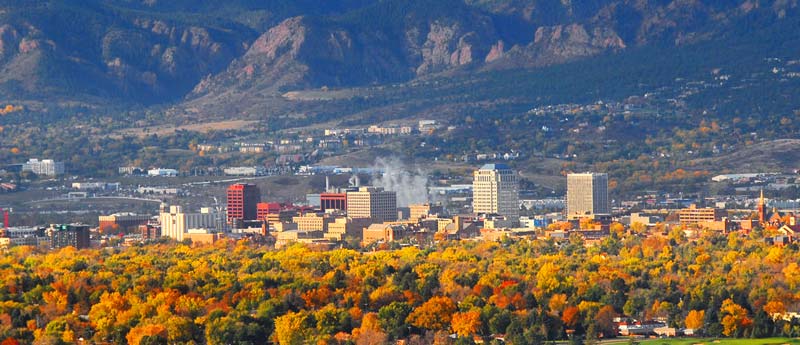
    On November 6, 2012, recreational marijuana became legal in Colorado. This expanded on the medical marijuana law that passed in 2000. According to the current recreational marijuana law, adults in Colorado who are at least 21 years old may have up to one ounce of marijuana at any time. This holds true whether the individual is at home or outside the home. Up to six plants may legally be grown in the home. The exception to the possession limit is that you are permitted to keep the full yield of your homegrown marijuana crop.

    In addition, you may gift up to one ounce of marijuana to another adult who is legally old enough to possess it. Smoking weed in public is not permitted and may result in a fine of up to $999. Furthermore, edibles cannot contain more than 100 milligrams of THC. If you purchase marijuana at an authorized retail store, residents may purchase up to one ounce at a time, but out-of-state visitors may only purchase one-quarter ounce at a time.

    District of Columbia
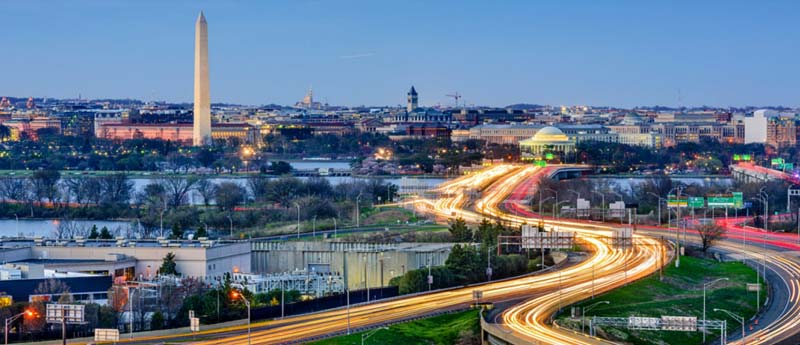
    On February 25, 2015, recreational marijuana became legal in the District of Columbia for adults who are at least 21 years old. Under this law, it is legal to have up to two ounces of marijuana in your possession, and you may gift up to one ounce of marijuana to another adult who is old enough to possess it. However, if compensation is provided, this is a criminal act because it is considered a sale. Local residents are permitted to use marijuana only on private property. Inside the home, you may also grow up to three mature plants and have an additional three seedlings as long as they are outside of public view. Related paraphernalia is also legal, including rolling papers, bongs, pipes and more.

    Be aware that it is illegal to drive a boat or a motor vehicle under the influence. You cannot use marijuana or consume any products containing marijuana on public streets, in parks or any other venue that is not a private residence. You will be charged with a misdemeanor if you are caught in possession of more than two ounces of marijuana, and the penalty is a maximum $1,000 fine and up to six months in jail.

    Maine

    Recreational marijuana was legalized in Maine in November 2016. Before that, it had only been legal for medical use since 1999. Under the current law legalizing recreational marijuana, adults who are at least 21 years old in Maine may possess up to 2.5 ounces. You can purchase marijuana from an authorized retail store, or you may produce your own crop at home. Individuals may grow up to six plants inside the home, but the plants need to be concealed from view. Smoking or other use of marijuana products must occur in private. Public use is punishable as a civil offense with up to a $100 fine.

    Keep in mind that you are not permitted to have drug-related paraphernalia in this state. This is a misdemeanor charge that may result in up to a $300 fine. There are also significant penalties for possessing more than the legal amount, for growing more than six plants and for selling or distributing marijuana. The type of charge and the punishment will be based on the circumstances surrounding the crime.

    Massachusetts
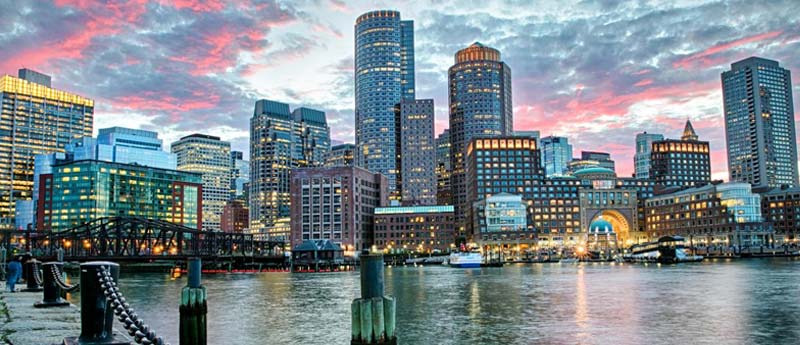
    On November 8, 2016, voters approved of recreational marijuana in Massachusetts. However, it has only recently been available for retail purchase since July 2018. Under this law, you may possess up to one ounce of marijuana or up to five grams of a concentrated form of cannabis if you are at least 21 years old and if you are outside of your home. Inside the home, you can legally possess up to ten ounces. This includes marijuana that you purchased as well as your yield from homegrown marijuana. Local residents may grow up to six plants, but they may not be visible to others. It is also legal to give a gift of up to one ounce of marijuana to another adult.

    The only variation outside of these limits is if you qualify for medical-use marijuana. In this case, you may be in possession of up to a 60-day supply based on the quantity prescribed by your doctor. It is a criminal offense to use marijuana in public or to possess more than these amounts. It is also illegal to sell any amount of marijuana.

    Nevada

    While voters approved of the recreational use of marijuana in a 2016 election in Nevada, the state officially legalized its use on July 1, 2017. If you are at least 21 years old in Nevada, you may possess up to an ounce of marijuana or up to an eighth of an ounce of a concentrated product. In addition, it is legal for you to gift up to an ounce to another legal adult. Keep in mind that the possession law only pertains to possession inside a private residence. You are not permitted to use any marijuana products in public, and you are also not allowed to even possess them in public. This is a misdemeanor crime that may result in a $600 fine.

    Local residents are permitted to grow as many as six plants at home in an indoor location, but this is only permitted if you live more than 25 miles away from the nearest dispensary. There may be some variances outside of these laws that fall under the medical marijuana laws if you have a qualifying condition and a physician’s order. Otherwise, violations of the marijuana laws outside of these permitted uses may result in a misdemeanor or felony charge.

    Oregon

    While Oregon legalized the medical use of marijuana in 1998, it was not legal to use it for recreational purposes until January 1, 2015. The current law permits adults who are at least 21 years old to possess up to one ounce of marijuana outside of the home. In addition, you may keep up to eight ounces in your home. This may be from marijuana that you purchase legally at a dispensary or that you grow on your own.

    You are legally permitted to grow up to four plants at home out of public view. Growing up to eight plants, however is a misdemeanor charge. Having more than eight plants in your home is a felony offense. It is a crime to smoke marijuana or to use related products in public.  It is also illegal to gift or sell any amount of marijuana in Oregon.

    Vermont
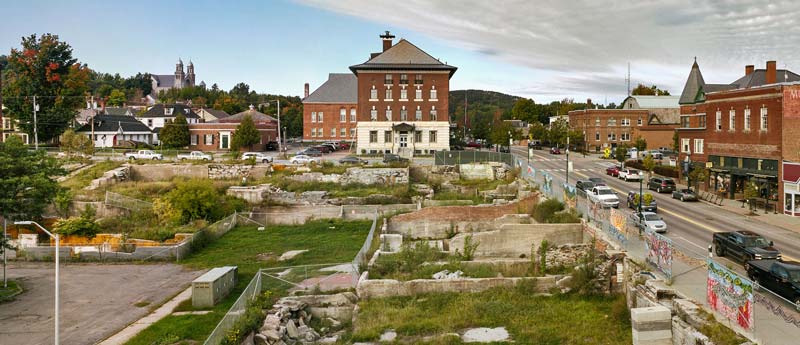
    While Vermont was not the first state to legalize recreational marijuana, it was the first state to do so through legislation rather than through a popular vote. The bill officially became law on January 11, 2018. It permits adults who are at least 21 years old to possess up to one ounce of marijuana, but it must be used in a private residence.

    In addition, you may grow up to two mature marijuana plants, and you may have an additional seven seedlings. These plants must be indoors and out of public view. Commercial sales are not yet permitted in Vermont. Keep in mind that any possession of marijuana that exceeds these amounts, the sale of marijuana and its public use are criminal offenses.

    Washington
    On January 1, 2012, it became legal for adults who are at least 21 years old to purchase marijuana in the state of Washington. Adults can only purchase marijuana and related products from authorized retail stores with a valid form of identification. Up to one ounce of marijuana may be purchased at a time. You may also purchase up to 16 ounces of edibles, up to seven grams of concentrates or up to 72 ounces of liquid products.

    Keep in mind that all products must be used in private. Public use is a criminal offense that may result in a $100 fine. It is also illegal to drive under the influence of marijuana. The legally-permissible limit is five nanograms of active THC in a milliliter of your blood. DUI-related charges may be filed if these limits are exceeded. In addition, be aware that you may not take marijuana outside of the state regardless of the method of transportation. Any variations outside of the recreational law and that do not fall under the medical-use law in this state are criminal offenses.
  • New NBA Marijuana Policy Discussion by Adam Silver on The Full 48 Podcast Says to “Follow the Science”

    New NBA Marijuana Policy Discussion by Adam Silver on The Full 48 Podcast Says to “Follow the Science”

    The topic of marijuana use has been coming up more and more as ten separate states have now legalized its use in both a medicinal and recreational capacity. Half of the states have at least one NBA team, which means that the discussions have to be brought up with the National Basketball Players Association as well. The NBA Commissioner, Adam Silver, recently sat down on The Full 48 podcast to talk about an issue that has already been happening “for some time.”

    Speaking to host Howard Beck, Silver said,

    “I don’t want to speak for [NBPA executive director] Michele [Roberts], but she and I have a somewhat similar view on this, which is: We should follow the science. This is not an ethical issue for me. It’s not a moral issue for me. I obviously see what’s happening in states around America.”

    The states that would be impacted in the NBA are Oregon, California, Colorado, Michigan, and Massachusetts.

    Last year, the former commissioner, David Stern, had urged the NBA to take a more lenient approach to the league for medicinal marijuana specifically, and Karl-Anthony Towns of the Timberwolves had agreed. However, right now, Silver noted that the NBA and NBPA are looking at the current research on this topic.

    Silver noted,

    “There’s not as much, frankly, science out there as I would have thought, in terms of the medical efficacy of using medical marijuana. I don’t mean to suggest that the people who say it’s effective for them, that it’s not. … It’s like a lot of issues we deal with in the league. It’s a balancing of issues.”

    Another topic of interest that came up was mental health, considering the positive effect that it can have on those concerns. For Silver, it seems to be a catch-22 of allowing users permission to partake or worrying that they will turn to more intense drugs in the process. He added,

    “I recognize = that medication may be worse for the player than smoking marijuana—even if marijuana isn’t great for you. And I also recognize that if they don’t want anti-anxiety medication and they can’t smoke marijuana, they may drink more—which is perfectly legal. … And that might be much worse for them.”

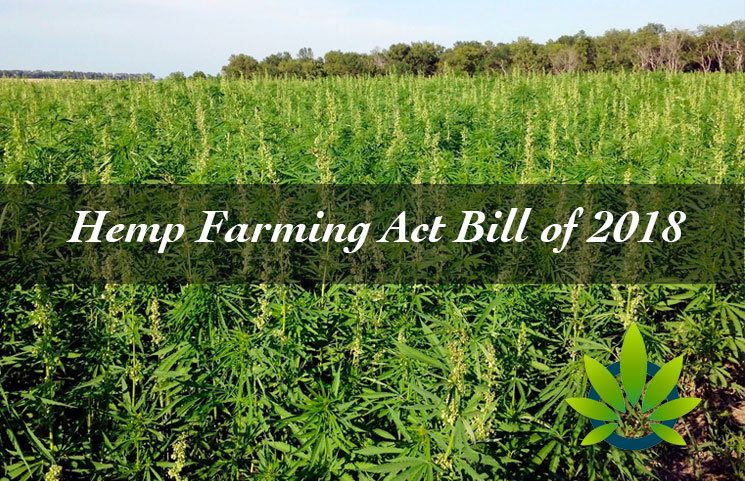
  • Legal Analysis of the Hemp Farming Act Bill of 2018: What is CBD Oil’s Status?

    Legal Analysis of the Hemp Farming Act Bill of 2018: What is CBD Oil’s Status?

    The latest version of the 2018 Farm Bill (“Bill”) is awaiting the President’s signature and within days, the legislation could become law. Interestingly enough, this Bill differs from its predecessors due to the inclusion of legislation concerning hemp.

    The legislation defines hemp as the cannabis plant. However, unlike cannabis, legal hemp cannot contain more than 0.3 percent THC. For those who are unaware, THC is the substance that causes hallucinogenic qualities and that “high” feeling. With legalized hemp, it is impossible to get high.

    https://youtu.be/lApsWC5JSgE

    Legal – But Highly Restricted

    The United States Department of Agriculture (“USDA”) and the State Department of Agriculture (“State Department”) have been permitted to conduct pilot programs dedicated to studying hemp. As a result of the studies, hemp has been cultivated for this limited purpose. The 2018 Farm Bill now provides an expansive level of cultivation – beyond pilot programs. Hemp can now be cultivated for the transfer of hemp products across states for both commercial and non-commercial purposes. The Bill does not provide for restrictions related to transport, sale, or the possession of hemp-related products. The caveat is that the products produced must be compatible with the law.

    Nonetheless, there are some restrictions. The first and most important is that hemp cannot contain over 0.3 percent THC under Section 10113 of the Bill. If it exceeds this amount, then it is designated as cannabis or marijuana and receives no legal protections.

    A second restriction is that there is both state and federal regulatory power over the cultivation and production of hemp. The same section of the Bill, state regulatory bodies, such as the department of agriculture, must confer with their state’s governor and chief law enforcement officer to generate a plan. The plan is then submitted to the USDA secretary, who then approves – or denies – the plan. States that decline to devise a regulatory system for the cultivation of hemp must apply for a license under the federal program.

    A third component describes the repercussions associated with violating the law – one of which includes hemp that contains over 0.3 percent THC. Finally, the Bill does not allow for the growth of hemp freely. Rather, it is a regulated crop.

    Hemp Research

    The Bill also provides mechanisms for the protection of hemp research. Under Section 7605, protections for such research are extended and it outlines the conditions under which the research is permitted. Continuing research into hemp shows that there may be value to such research and the products that could be derived from the hemp.

    Hemp As An Agricultural Commodity

    Another provision of the Bill is that hemp is treated as an agricultural commodity. Despite the regulations, the Bill also allows for hemp to become a mainstream crop. For instance, under Section 11101 of the Bill, those who farm hemp receive protections under the Federal Crop Insurance Act. For instance, growers are protected from crop losses.

    Legalizing CBD Under Certain Circumstances

    A major misconception concerning the bill is that it legalizes cannabidiol (CBD). Though Section 12619 of the Bill removes hemp-derived products from Schedule I status of the Controlled Substances Act, the Bill, and that specific section does not legalize CBD.

    Generally, CBD is still a schedule I substances under federal law. However, under specific circumstances, such as production in a manner consistent with the Bill, cannabidiol can be considered legal. A few other requirements are that production is also in line with state regulations and is done by a licensed grower.

    Cannabis Programs Legal Under State Law And Illegal Under Federal Law

    As a federal law, the Bill does not impact state cannabis programs. Further, because cannabis is still largely illegal under federal law, it may also be illegal under state laws. This is an important distinction to make because it impacts consumer productions. Though the Bill may provide for improved availability of CBD products, the legality depends upon fulfilling the conditions of the Bill.

  • 2018 Farm Bill Will Instantly Reshape Hemp, CBD Industry Starting January 1, 2019

    2018 Farm Bill Will Instantly Reshape Hemp, CBD Industry Starting January 1, 2019

    The new 2018 Farm Bill could revolutionize the way American agricultural producers produce hemp and CBD products. The Farm Bill, expected to go live on January 1, 2019, will allow licensed farmers and producers in all 50 states to lawfully grow hemp for commercial use.

    It’s a huge milestone for the hemp and CBD industry. Although there are still questions to be answered – particularly in regards to CBD products – this is an important step forward on the path to full nationwide legalization of CBD products.

    This is a continued loosening of regulations that initially began with the 2014 Farm Bill. That Farm Bill allowed hemp to be grown on a limited basis via state-run research pilot programs. In 2017, those programs had 3,500 participants, and those programs are expected to continue with the passage of the 2018 Farm Bill.

    As reported by BevNet.com, market research firm Brightfield Group predicts a booming future for hemp-derived cannabidiol (CBD) infused products. By 2022, the market is expected to generate $22 billion in sales. Many see the passage of the 2018 Farm Bill this week as the point where the legal hemp industry could truly kick into high gear.

    Hemp is defined as any part of the marijuana planet – including seeds and extracts – that contains less than 0.3% THC. Despite the fact that hemp contains limited amounts of the psychoactive component of marijuana, its legal status across the United States has been up for debate in recent years. The passage of the 2018 Farm Bill, however, is expected to be the final hurdle on the way to full nationwide legalization.

    The 2018 Farm Bill is expected to receive President Trump’s signature before the end of the current legislative session.

    Although many see this as a victory for hemp and CBD supporters, it’s not the end of the journey. It’s a big step forward, but there’s still more work to be done. Let’s take a closer look at what the 2018 Farm Bill means for the legal hemp and CBD communities.

    How the 2018 Farm Bill Changes the CBD and Hemp Industry

    Here are some of the most important things to know about what’s changing – and what’s staying the same – with the 2018 Farm Bill:

    • As of January 1, 2019, licensed farmers and producers in all 50 states will be able to lawfully grow hemp for commercial use
    • The bill also established a specific definition for hemp that distinguishes it from marijuana – something that has always been a thorn in the side of hemp producers; under the new bill, hemp will be removed from the Controlled Substances Act
    • The bill does not change the status of marijuana in the Controlled Substances Act; marijuana is still classified as a Schedule I controlled substance
    • Hemp and CBD will be legal for import and export beginning on January 1, 2019, and individual states will not be permitted to interfere with the transportation or shipment of industrial hemp, regardless of where the hemp is grown or authorized for sale
    • Effectively, the bill allows hemp to be legally grown in one state, processed in another state, and then sold in any of the 50 states
    • Under the 2018 Farm Bill, hemp producers can also access financial services, including the same financial services and banking that would be available to any ordinary producers of agricultural commodities
    • The bill also allows hemp producers to access agricultural subsidies from the federal government, including crop insurance, agricultural research grants, and organic certification production practices under the National Organic Program
    • By changing the classification of hemp under the 2018 Farm Bill, the government will shift oversight of hemp from the U.S. Justice Department to the Department of Agriculture, similar to most other crops and agricultural commodities in the United States
    • Another important change with this bill is that it bans individuals with felony drug convictions from participating in the hemp industry for a 10 year period

    Overall, the 2018 Farm Bill isn’t designed to answer all legal questions surrounding CBD as an ingredient. However, it does take a giant leap forward in terms of resolving discrepancies between state and federal regulations regarding the production and sale of hemp in all forms – whether it’s a CBD oil, a flower, or an extract. That’s huge for CBD and hemp producers nationwide.

    This is a Pro-Farm and Pro-Agriculture Bill, Not a Pro-Public Health Bill

    It’s important to note that the 2018 Farm Bill is not designed to be a statement on the health effects of CBD, nor is the bill being passed for public health reasons.

    Instead, this is a pro-farm and pro-agriculture bill designed to stimulate the economy.

    The hemp legalization part of the bill was introduced by Senator Mitch McConnell of Kentucky. Kentucky is expected to be one of the biggest states for hemp cultivation.

    However, legislators are careful to note that this bill is not a stamp of approval from the federal government on hemp or CBD. There are still hurdles to cross before CBD products have full green light.

    CBD Products Still Have a Long Way to Go

    The 2018 Farm Bill is also not a complete green light for CBD products and producers. Yes, it’s an important step, but it doesn’t totally open the door for a nationwide market for hemp-derived CBD products.

    The most important restriction with the 2018 Farm Bill is that it does not mean every state has to sell CBD products. So far, 47 states have legalized CBD sales. South Dakota, Nebraska, and Idaho are the three states that have not legalized CBD sales within their borders.

    Meanwhile, CBD producers focused on the food and beverage market will still need to deal with the Food and Drug Administration (FDA). The FDA has already explicitly prohibited the use of CBD in foods and dietary supplements because it’s classified as an investigational new drug (IND).

    Nevertheless, food and beverage makers continue to add CBD to their products, largely due to a lack of willingness to target manufacturers. The FDA doesn’t appear to care, and the FDA’s statement does not affect foods or supplements in which CBD is naturally occurring.

    In a November 2017 letter, FDA Commissioner Scott Gottlieb clarified the FDA’s stance towards CBD foods and supplements:

    “The FDA will continue to support rigorous scientific research on potential medical treatments using marijuana and its components that seek to be developed through the appropriate scientific channels. However, we remain concerned about the proliferation and illegal marketing of unapproved CBD-containing products with unproven medical claims.”

    In response to the fact that the FDA issued several warning letters in November 2017, Gottlieb also wrote,

    “[The FDA] will continue to take action when we see the illegal marketing of CBD-containing products with unproven medical claims.”

    Ultimately, the 2018 Farm Bill does not answer all questions about cannabidiol, especially in regards to CBD products, foods, and supplements. However, it’s an important milestone for the hemp and CBD industry.

    Conclusion

    The passage of the 2018 Farm Bill is a landmark moment for hemp producers across the United States. For the first time in nearly a century, the United States government will not federally prohibit commercial hemp production in the United States.

    Assuming President Trump signs the bill, the passage of the 2018 Farm Bill will make commercial hemp production legal in all 50 states while also allowing hemp products to be legally imported and exported.

  • A Few New Hemp-Related Provisions of the 2018 Farm Bill All CBD and Cannabis Industries

    A Few New Hemp-Related Provisions of the 2018 Farm Bill All CBD and Cannabis Industries

    A Few Hemp-Related Provisions of the 2018 Farm Bill

    Advisory: this is for informational purposes and is not legal advice. Further, there has not been a change to the designation of CBD and Hemp as Schedule I controlled substances.

    Here is an overview of the impact of the Farm Bill 2018 (“Bill”) upon being enacted:

    First, the bill defines hemp as the cannabis plant and all its derivatives, extracts, and cannabinoids that had a delta-9 tetrahydrocannabindol concentration of no more than 0.3 percent. The Bill exempts hemp and the THC therein from the Controlled Substances Act. The exemptions will allow for intellectual property exemptions concerning banking and credit card services. It will also eliminate Section 280(e)’s tax burden from hemp businesses.

    Second, under the Bill, hemp is not legal nationwide. The legality of hemp is controlled by the states and they may maintain its illegality concerning transportation, so long as it is still allowed through commerce.

    Third, states that choose to legalize hemp must remove it from their controlled substance acts first. Thereafter, states must either regulate hemp or require the hemp businesses to operate under federal licensing requirement and regulations.

    Fourth, negligent reporting, accidental growth of cannabis over 0.3 delta-9 THC are designated are civil infractions and are not of a criminal offense. Alternatively, intentional violations are much more severe.

    Fifth, the Bill still requires CBD to be classified as a New Drug under the Food, Drug, and Cosmetic Act. Accordingly, it cannot be introduced into interstate commerce under the Food and Drug Administration’s regulation. However, CBD is exempt from the CSA so that hemp companies are not subject to the 280(e) tax requirements.

    Sixth, the Bill designates hemp as an agricultural commodity and as eligible for crop insurance.

    Seventh, those exempt from participating in the hemp industry include those convicted of felony drug crimes. The exemption to this are individuals who have been involved in a former version of the Bill.

    Eighth, the Bill repeals the Agricultural Act of 2014 after one year. The start period is when the USDA establishes its regulation concerning the hemp industry. The USDA must provide its findings to a states’ pilot programs and to congress, within the first year of enactment.

    Lastly, marijuana and non-exempt cannabis are Schedule I substances under federal law.