The legalization of cannabis is creating more and more opportunities to grow your own crops of it. The process is not as complicated as some information may lead you to believe, and this guide will show you exactly how to grow your marijuana supply with a simple, straightforward process. The first things that will determine your growing style are the available spaces you have, your budget for supplies, and your desired amounts of the end product.
To get started with your cannabis crop, you’ll need some time each day to maintain the plants and a space to keep them. Marijuana plants can thrive indoors; all you’ll need is some space in a closet or pantry. You can also grow the plants in a designated section of your backyard. Even if you start with a small budget, you can easily produce a successful marijuana crop before you later invest in more plants and better growing supplies.
What You’ll Need To Start Growing Marijuana
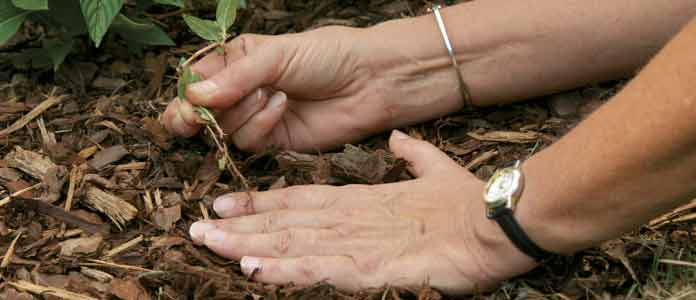
Every type of cannabis plant needs some essentials to grow and thrive, namely sunlight, fresh air, the right temperature, the right nutrients, and fresh water. If you opt to grow your plants indoors, you’ll need to invest in some good grow lights. Your indoor growing spot will also need proper ventilation. If you have an outdoor growing spot, you’ll want to make sure you place your plants in an area that gets plenty of sunlight and gentle breezes each day. Depending on the strain of cannabis you want to grow, you’ll need the particular type of soil recommended for it.
Temperature is one of the most important factors for a successful marijuana crop. Fans and misters will help keep your plants cool during warmer weather. If you live in a region with brutally hot summer weather, your best bet is to grow it indoors or invest in a greenhouse structure that lets you control the climate surrounding your marijuana plants. Freezing winter temperatures can also be deadly to your cannabis plants, so heat lamps might also be needed additions to your growing equipment list.
It doesn’t matter if you’re growing your marijuana plants indoors or out in your backyard, you’ll want to be sure you have the right balance of all these elements, regardless of the size of the space you’re using. The next most common question among first-time growers concerns time frames. When you plant your first cannabis seeds, on average you can expect to be harvesting and smoking some of your buds between eight and 10 weeks later. If you grow your marijuana plants indoors, the growth time tends to be somewhat shorter. Indoor growing also affords you more control over exactly when your plants start forming buds. Shorter grows of cannabis are a trade-off because the yields tend to be smaller. You can also opt for auto-flowering strains of marijuana plants that have the shortest grow times out of any.
Average Growth Timelines

Depending on the strain of cannabis plant, some outdoor grows can take up to seven months. The average time frame, in this case, is about four to five months. With both indoor and outdoor grows, marijuana plants go through five stages of growth: seed, seedling, vegetative, flowering and harvest. Seeds split into seedlings before multiple leaves sprout in the vegetative state. The flowering state is when the buds start maturing before they’re ready to be harvested.
A good number of different factors affect the grow time of your cannabis plants until you have harvest-ready buds. These can include the particular strain, the ending size of your plants, and your overall setup. Regardless of the total growth time for your cannabis plants, you’ll need to allow an additional two weeks for the buds to cure completely right after harvesting them. That assures they’ll reach the desired potency for the particular stain you’ve opted to grow. The first time you start your cannabis crop, you’ll also need to factor in the time you’ll need to gather your seeds and equipment.
Before you even plant your first seeds, you’ll need to purchase your equipment and complete your required setup. Many growers order their supplies from online sellers, so shipping time is the main factor in how quickly you can get started. If you have ready access to a local seed bank, it should only take a short time to start growing your crop. Otherwise, you’ll need to order them online from a seed bank; this process typically takes two to four weeks for them to arrive.
Cannabis Growth Stages

How long it takes your seeds to sprout into seedlings also relies heavily on whether you grow them indoors or outdoors. The average germination time for them is one to six days. The following vegetative stage lasts a minimum of two weeks and as long as two months. How long this phase lasts is a matter of your personal preference, though the majority of cannabis plants need at least three weeks to go through the entire vegetative stage. Once that initial time is up, it’s your choice when you want to move your cannabis plants to the flowering stage. You’ll accomplish this by changing the amounts of time your plants spend in direct light, usually 12 hours of light followed by 12 hours of darkness.
Most marijuana growers let their plants remain in the vegetative stage for two to three months, on average. That allows them to reach a good size since this has a big effect on the final crop. Larger plants will give more significant numbers of buds, so allowing each plant to grow big enough makes logical sense. Plants that spend too little time in the vegetative stage may produce few buds that may not even have the chance to reach the potency you have as your end goal. Those cannabis plants that are given 12 hours per day of light right away are also smaller and slower to become ready for harvest.
Light Sources And The Flowering Stage

It may sound like a challenge to keep a consistent light source for your plants for 12 hours, which is where grow lights become essential. Many suppliers now offer LED lights that help to ensure a healthy vegetative stage for each of your plants, without increasing your electricity costs. Leaving your cannabis plants in the vegetative stage for four to six weeks is a good rule of thumb, and it most often makes the difference between a plant with one cluster of buds and a plant with ten or more clusters. Despite the importance of the vegetative stage, there are some situations where it wouldn’t be prudent to keep them in it for this long a period. Most of these circumstances relate to the size of your grow space.
Some marijuana growers still need to grow their crops of plants in in relative secrecy due to local laws or merely because they prefer housemates not discovering them. In this case, growers have yielded successful plants that they kept in hollowed-out computer desktop towers or similar hiding places. They move their plants to the flowering stage almost right away by bringing in their small grow lights for the required 12 hours.
The flowering stage of a cannabis plant lasts anywhere from six weeks to four or five months. This phase of the growing cycle is further broken down into four stages: the transition to flowering, the budlet stages, the bud growth stages, the pistil-darkening stage and the final flush leading up to the harvest.
Exact amounts of time each plant should stay in the flowering stage is also determined by the strain of the cannabis you’ve chosen. Once the buds transition into this juncture, you’ll notice over time that they stretch and darken before fattening. Some strains with the shortest flowering periods include papaya, Sour Diesel, Critical Jack, and Northern Light. Each takes six to eight weeks to go through every phase of the flowering stage. Another strain with a shorter flowering stage is called Frisian Dew, which is also one of the best options for outdoor growing.
Medium-length flowering cannabis strains take eight to 12 weeks until they’re ready for harvest. One of the most popular of these is called Liberty Haze, which has won awards for its subtle potency and efficient flowering stages. The longest flowering timelines are between 12 and 15 weeks for marijuana strains such as Blackjack and White Widow. Once any of your plants have reached the harvest point, you have a two to three week period to pick them. The longer each plant is kept in the final phases of flowering, the buds ripen even more and increase your chances of higher potency.
Getting The Best Yields Of Cannabis
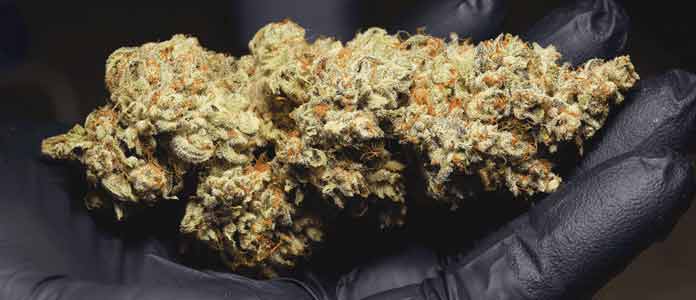
Regardless of the strain, the average 6-week-old marijuana plant will only yield you a few smokable grams after each harvest. Leaving your plants in the vegetative state for at least four weeks can increase your yield to several ounces, depending on the size of the plants. Before you’re able to roll and smoke any of your home-grown cannabis, you have a few post-harvest steps to complete.
Once you’ve harvested all the ripened buds from your plants, you’ll need to dry them for a minimum of three days. Ideal drying times are a long as 10 days. During this phase, be sure to keep your harvest away from excess moisture and to check each bud periodically for any signs of mold. After they’ve reached the right level of dryness, they’re ready for the curing phase.
You’ll need to allow anywhere from two to five weeks to allow your dried buds to cure. During this period, the cannabis loses the smell of freshly-cut grass as well as any overly harsh taste. Properly curing each bud will create marijuana that’s more suited to medicinal purposes, such as pain relief and the easing of depression symptoms. Experienced growers recommend curing your harvest for at least a month.
After you’ve purchased all your seeds and needed equipment, your cannabis crop will take anywhere from eight weeks to eight months from planting to harvest. Over time and with practice, you’ll learn some tricks for getting your marijuana plants to yield more with every growing cycle. This method is known as plant training, and it involves manipulating your plants to produce more buds within the same time frame.
How To Grow Marijuana Conclusion
You can easily grow cannabis at home with the right equipment, growing space, and consideration of time frames. Understanding the growth cycle and the variations in different marijuana strains will help you learn how to get the best yields with each harvest cycle.