CBDOilReviews.com

Author: Otto B

  • Synthetic Marijuana: Sometimes Legal, but Never Safe for Cannabis Users

    Synthetic Marijuana: Sometimes Legal, but Never Safe for Cannabis Users

    Synthetic marijuana is a lab-created chemical blend that attempts to mimic the effects of real marijuana. The DEA and FDA have been playing a cat-and-mouse game with manufacturers of the substance since it first began to appear in stores in 2008. At first, because it was a new chemical creation, it was technically legal and sold over the counter at convenience stores and gas stations, most popularly under the name “Spice” or “K2.” These particular trade names were placed on the DEA’s schedule of controlled substances in 2012, along with over 20 other types of synthetic cannabinoids.

    The problem is that new chemical concoctions that provide the same effect are being brewed up all the time, and may be technically legal by being different enough from the ones that are formally banned. It’s also largely up to individual states and localities to keep up on their own. For example, Illinois passed a wide-reaching ban on synthetic cannabinoids, but only after the city of Chicago had passed its own similar ordinance. Most states have restrictions on only specific known substances, and there are still a handful of states that have no laws whatsoever regarding synthetic marijuana.

    What’s The Problem With Synthetic Marijuana?

    Since marijuana is widely regarded as the least harmful of the controlled substances, and since synthetic products have been seen for sale in legitimate retail stores, some people believe these products are safe. Their trust, however, is misplaced.

    The chemicals in synthetic marijuana seek to replicate the effects of the real thing by acting on the same cannabinoid receptors in the body. The first major issue is that the varieties that have been found and tested so far appear to be full agonists of these receptors. Natural marijuana is only a partial agonist. In layman’s terms, the synthetic cannabinoids are overwhelming these receptors in an unnatural and unpredictable way.

    The other issue concerns regulation and oversight. Producers of synthetic cannabis tend to label the CBD product as “not for human consumption” so as to avoid FDA regulation. This means that, as with most street drugs, it’s virtually impossible to know exactly what substances are in it.

    Known Negative Effects

    Scientific research is still trying to catch up with synthetic marijuana, as the first varieties of it only appeared eight years ago and the stuff sold both in stores and on the streets is constantly changing in composition.

    Serious and prolonged vomiting and unpredictable psychological symptoms are not uncommon when synthetic cannabis is used. In the most serious cases, users have experienced seizures and heart attacks. Psychosis is also possible, and suicidal ideation (as seen in a 2010 case in Iowa) is what kicked off the national wave of closer scrutiny of the substance.

    Given that it acts as a full agonist on the cannabinoid receptors, synthetic marijuana may also be more likely to cause addiction than the regular stuff.

    Why Are People Using It?

    Though the dangers of synthetic marijuana are becoming much more widely publicized, people still continue to use it in considerable numbers. Confusion over its quasi-legal status in some areas certainly contributes to its use, as well as sheer recklessness among those who are aware of the potential damage it can do. It’s also marketed heavily as an alternative to regular cannabis that can’t be detected on a drug test.

    Some people may also be duped into using it in the belief they are getting natural marijuana, particularly if they buy it from illegal street sources. Although synthetic marijuana itself is a clear liquid, it is sometimes sprayed on a neutral plant base so it looks like regular cannabis.

    Whether it is legal in a locality or not, synthetic marijuana should be avoided. It’s simply too unpredictable and has demonstrated too many negative health and behavioral consequences throughout its short history.

  • Cannabis Industry Labeling Accuracy And Nutritional Supplement Packaging Lessons

    Cannabis Industry Labeling Accuracy And Nutritional Supplement Packaging Lessons

    The connection between the worlds of fitness supplements and cannabis might not be immediately evident, but the two industries share one common issue: an almost complete lack of mandatory and universal labeling standards. Cannabis packaging is following the mistakes of the supplement industry to some degree when it comes to labeling, but this also represents an opportunity to establish your brand as a trusted, preferred source.

    Inadequate Labels And Consumer Trust

    Products intended for bodybuilders and dieters are only very loosely regulated by the FDA, which tends to only step in when there appears to be a serious and medically demonstrable health consequence- for example, the ban on DMAA and recent warning letters sent to companies distributing products containing picamilon. As far as labeling accuracy goes, however, the FDA is almost entirely hands-off. This has been demonstrated by everything from scandals over “protein spiking” to no end of “miracle fat burners” that aren’t actually backed by scientific evidence. This problem extends to the world of all-natural herbal remedies, and perhaps is even worse there; independent testing has shown that a variety of these products don’t even contain the central herb they advertise.

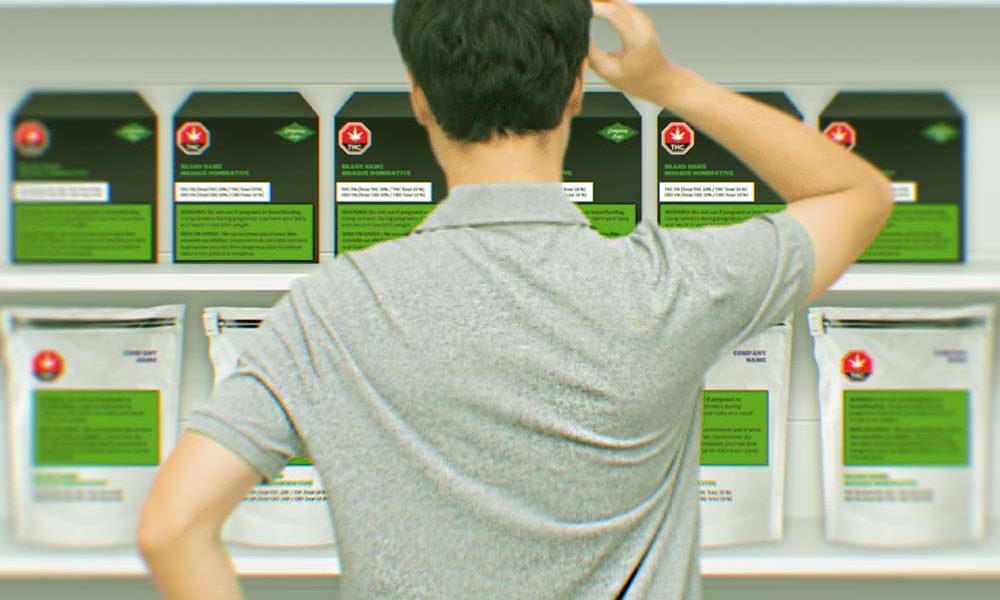
    Cannabis products are also not going to be regulated by the FDA, although they fall into a different set of circumstances. At the federal level, cannabis is still a Schedule I controlled substance, and there’s no substantive indication that is going to change in the near future. States that have legalized cannabis have begun to impose their own labeling standards, but to date they have focused almost exclusively on making cannabis product packaging child-proof and including warnings about possible health outcomes.

    Individual state requirements for content labeling accuracy vary greatly. For example, Alaska only requires an estimate of the amount of THC in the product, while at the opposite end Connecticut requires a full list of active ingredients and a profile of terpenes in addition to a unique serial number tied to producer lot and batch numbers.

    Accuracy standards are not necessarily any tighter in the states that have legalized for recreational use. Colorado requires a universal THC symbol and a list of ingredients, but not specific amounts. Oregon’s laws are only focused on making packages child-resistant. Washington has the most comprehensive standards at present, requiring a list of ingredients, concentration amounts of THC and CBD, and a “best by” date.

    Already An Accuracy Problem?

    Based on early independent studies, the cannabis industry may already be heading down the road the worst elements of the fitness and herbal supplement industry have chosen to take.

    In a study published in The Journal of American Medicine in 2015, researchers took a random sampling of 75 different labeled edibles from dispensaries in San Francisco, Seattle and Los Angeles and tested them in a laboratory. More than 50% of these edibles contained significantly less THC and/or CBD than their labels claimed. Over 60% contained less THC than they claimed to have, while 23% actually had more, leaving only 17% with completely accurate counts.

    Producers of cannabis products do face unique logistical challenges that sometimes stymie even the best of intentions. For example, due to federal laws, they’re usually limited to using whatever labs happen to be located in the same state. And due to the nature of sourcing, buds from multiple plants are likely to be present in each batch of product, meaning more samples per batch will have to be tested to get a truly accurate picture of the total content. Even so, the cost of full testing is reasonable, particularly for companies that deal in high volume with a particular lab.

    Why Accurate Labeling Is Key Going Forward

    In the fitness supplement world, professional athletes are the most high-end of customers. Athletes are on very strict diets, carefully counting all the macronutrients and calories they consume. They need to be absolutely certain that they are getting accurate information about what they’re putting in their body. They also can’t afford to have an amphetamine analogue or other illicit substance slipped into their products, as they are subject to regular drug testing and can end up suspended or even banned from their profession if they aren’t careful. They have large training budgets, and they’re willing to spend more for a premium product that meets their needs: products that offer an “open label” policy, are verified by an independent laboratory and back up all of their claims with legitimate scientific testing.

    The stakes are similarly high for medicinal cannabis users. Cannabis is susceptible to mold and mildew, and can also be infected with bacteria like listeria and E. coli. While these things may represent only a temporary illness and inconvenience for a healthy consumer, they could potentially prove fatal to those with compromised immune systems. These consumers will be carefully scanning cannabis packaging for assurances that it is properly tested, particularly if they have had a bad experience in the past.

    High-end recreational customers with the most discretionary income are similarly going to want assurances that they are getting the best product possible for their needs and that the cannabinoid profile does what they expect it to do. Cannabis packaging that boasts independent lab verification of its quality will resonate just as well with this demographic.

    Cannabis is still very much an emerging market, and one that’s in a particularly unique state of chaos thanks to its legal status at the federal level. We’re still far from any established “household name” brands, and existing brands are currently limited to establishing their presence in local markets for the most part. This period represents a golden opportunity for brands to emerge locally as popular trusted providers who offer a premium product, comparable to brands like Myprotein and Garden of Life in the supplement arena, and continue to build on this reputation as legalization efforts advance across the country.

    The first high-end household name in cannabis is going to be one that people find dependable, and dependability is reliant on a voluntary high standard of lab testing and labeling.