CBDOilReviews.com

Author: Lorraine H

  • CBD for Fibromyalgia: Examining Potential Hemp Oil Extract Benefits for Its Multiple Symptoms

    CBD for Fibromyalgia: Examining Potential Hemp Oil Extract Benefits for Its Multiple Symptoms

    Fibromyalgia is a chronic health disorder characterized by widespread pain in the soft tissue, joints, muscles, and tendons. Those living with fibromyalgia are painfully aware of how this chronic condition severely impacts their health and well-being.

    Since prescription pain medications are considered ineffective for fibromyalgia pain; doctors are hesitant to prescribe them.

    To combat the symptoms of fibromyalgia, doctors typically prescribe anti-depressant and anticonvulsive medications. These medications impact key neurotransmitters and receptors that regulate pain signals. While antidepressants and anticonvulsive medications help a fair number of fibromyalgia patients, they are not right for everyone.

    The medications commonly used to treat fibromyalgia can cause a significant number of potential side effects. Discontinuation can cause severe withdrawal symptoms. In their search for an alternative, many people living with fibromyalgia are turning to safe, natural, hemp oil.

    Numerous Symptoms of Fibromyalgia Syndrome

    Fibromyalgia is a potentially debilitating chronic pain condition believed to be caused by dysfunctions within the central nervous system. While researchers do not commonly believe fibromyalgia is hereditary, they do believe this chronic pain condition is triggered by a combination of medical, environmental, and genetic factors.

    It can take several years of extensive testing before those living with the disorder receive a diagnosis. Doctors need to rule out conditions that mimic fibromyalgia before a determination can be confirmed.  That’s because fibromyalgia mimics the symptoms of several other chronic health concerns, including rheumatoid arthritis, lupus, and multiple sclerosis.

    While widespread body pain is the most commonly discussed symptom of fibromyalgia syndrome, those living with the disorder will be among the first to tell you that symptoms extend far beyond pain. Just a few of the multiple symptoms associated with fibromyalgia include:

    • Pain in the upper and lower body with no discernable cause
    • Allodynia, pain from contact that others would not find painful (water, wind, touch, clothing)
    • Intense fatigue that is not resolved with sleep
    • Stiffness that is worse after periods of inactivity
    • Numbness and tingling (particularly in the hands, feet, and face)
    • Frequent bouts of insomnia or other sleep disturbances
    • Sensitivity to noise or light
    • Frequent headaches or migraine attacks
    • Episodes of depression, anxiety, or other mood disturbances
    • Digestive disorders, including diarrhea and constipation
    • Difficulty with memory recall or cognitive impairment (fibro fog)
    • Problems with thermal regulation (sensitivity to heat or cold)
    • Orthostatic hypotension (blood pressure drops from positional changes)

    As you can see, fibromyalgia causes symptoms throughout the body. To understand the potential benefits of hemp CBD, it’s quite helpful to understand what CBD is and how it works.

    Understanding How CBD Influences Your Body

    Numerous functions in your body are regulated by a complex network of neurotransmitters and receptors called your endocannabinoid system. The messengers (neurotransmitters) of your endocannabinoid system interact with their corresponding receptors to generate a response from your brain. The influence of the endocannabinoid messengers is determined by their chemical composition. Just a few of the many functions influenced by your endocannabinoid system include:

    • Inflammation and pain perception
    • Sleep cycles and sleep regulation
    • Memory and learning
    • Moods and emotional responses
    • Neuroprotection and neurodevelopment
    • Thermal regulation and metabolism
    • Digestive and cardiovascular processes
    • Muscle movement
    • Immune system function

    Your Body Creates the Messengers of Your Endocannabinoid System

    The messengers of your endocannabinoid system are called cannabinoids. Your body makes two main cannabinoids, anandamide, and 2-AG. Anandamide and 2-AG are called endocannabinoids because they are created internally. The endocannabinoids in your body are made as needed and quickly broken down by naturally occurring enzymes. Consider the following:

    Anandamide

    Anandamide plays a direct role in pleasure and reward-seeking behaviors, muscle movement, and appetite regulation. Often referred to as the “bliss molecule” anandamide also plays a distinct role in pain perception and the regulation of pain signals. Research shows that the more anandamide in your system, the less pain you will feel.

    2-AG

    2-AG (2-arachidonoylglycerol) also plays a role in pain perception. 2-AG minimizes pain and reduces inflammation. This endocannabinoid is also associated with energy metabolism, blood vessel function, the suppression of vomiting, the inhibition of tumor growth, cell division, and energy metabolism. You have the highest concentration of 2-AG in your brain, while anandamide is found throughout your body.

    Since your body makes its own endocannabinoids, you might assume that you would have all the messengers needed to keep all essential processes functioning smoothly, but it doesn’t always happen that way. When your body is under the influence of illness, injury, or stress, the need for endocannabinoids can overtake the supply creating endocannabinoid deficiencies.

    Many researchers believe that endocannabinoid deficiencies can cause a significant number of chronic health conditions, including fibromyalgia, migraines, multiple sclerosis, and some neurodegenerative conditions.

    Supplementing Potential Endocannabinoid Deficiencies with Hemp Oil

    Your endocannabinoid system is named for the family of plants that led researchers to its discovery, cannabis. Cannabidiol (CBD) is one of many (113) cannabinoids found abundantly in cannabis extract. Over the years, researchers have discovered that we are wired to respond to the plant-based cannabinoids in cannabis, including the cannabinoid cannabidiol (CBD).

    CBD is shown to mimic the effects of your naturally occurring cannabinoids and influence your cannabinoid receptors. By mimicking the messengers and influencing the receptors, CBD has the potential to restore balance to your endocannabinoid system and alleviate the symptoms of any endocannabinoid deficiencies.

    Differentiating Between the Potential Sources of CBD

    There are two potential sources of cannabidiol, the cannabis plants marijuana and hemp. Most of the CBD available to the average consumer is derived from hemp oil. Marijuana is typically sold through a dispensary in states where it is legal. That’s because the oil extracted from marijuana also contains high levels of another cannabinoid, THC (tetrahydrocannabinol), the cannabinoid responsible for marijuana’s psychoactive effects. Hemp oil does not.

    Hemp oil and CBD oil are terms used interchangeably throughout the hemp industry. To be legally classified as hemp, a cannabis plant must contain .3 percent tetrahydrocannabinol or less. This insignificant amount of THC is not enough to cause intoxication, even when hemp oil is consumed in large amounts. If you are against ingesting even trace amounts of THC, you still have options. It’s easy to find THC-free CBD. Consider the differences between the following products:

    Full-spectrum CBD

    Full-spectrum CBD contains all the elements of the original plant source, including the plant terpenes, additional cannabinoids, vitamins, and minerals. Many CBD enthusiasts believe that full-spectrum products are superior to their isolate counterparts because of an interesting phenomenon is known as the entourage effect. The entourage effect explains how each of the plant elements magnifies and multiplies the effects of the others. Full-spectrum CBD contains trace amounts of THC.

    CBD Isolate

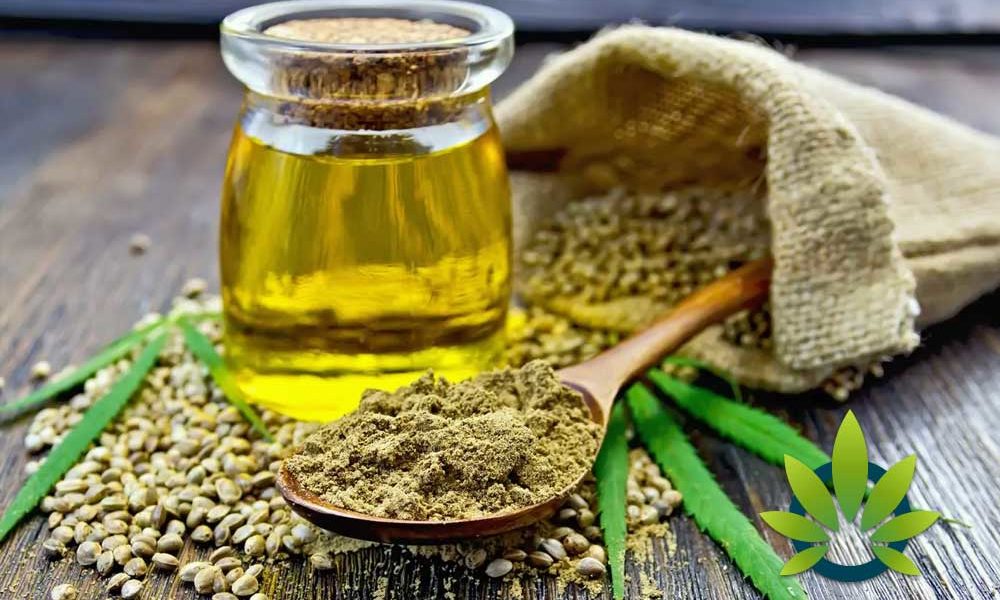
    CBD isolate products contain no THC. CBD isolate products are created from a “purified” form of hemp oil. Through a process called chromatography, the CBD is separated from the other plant compounds. All that is left is a flavorless, odorless powder that is more than 99 percent pure CBD. Isolates can be used to make a variety of products including THC-free tinctures. Because CBD isolate is flavorless, it is often favored by those who like to add CBD to their favorite recipes.

    Hemp CBD Has the Potential to Alleviate Fibromyalgia Symptoms

    CBD is shown to alleviate pain by increasing the production and blocking the destruction of anandamide, the endocannabinoid responsible for the way your body processes pain signals. It’s important to note that the potential benefits of hemp CBD for fibromyalgia symptoms could extend far beyond pain relief.

    You may have previously noticed that many of the symptoms of fibromyalgia coincide with processes regulated by your endocannabinoid system. Since so many symptoms of fibromyalgia occur in systems regulated by your endocannabinoid system, it’s easy to understand how CBD could provide significant relief from a multitude of fibromyalgia symptoms. Just a few of the reported benefits of hemp CBD for fibromyalgia include:

    • Decreasing fatigue and increasing energy
    • Reducing the symptoms of anxiety and depression
    • Improving temperature regulation
    • Reducing tingling and numbness
    • Improving sleep
    • Enhancing memory and reducing fibro fog
    • Improving digestion
    • Enhancing immune system function

    It’s important to note that CBD is not a medication or a cure for fibromyalgia, or any other known health disorder. Hemp CBD is a safe, natural, dietary supplement that has the potential to protect your body from the impact of endocannabinoid deficiencies. The reported benefits of hemp CBD are based on laboratory tests, animal studies, and the testimonies of those who claim symptomatic relief from CBD.

    While hemp CBD is considered a natural dietary supplement, it’s important to know that CBD can interact with some medications, particularly anti-depressants. If you are currently being treated for a medical disorder or are under the care of a physician, it’s important to discuss your condition with your doctor before adding any dietary supplements to your current treatment plan.

    Sources:

    • sciencedirect.com/science/article/pii/S1074552112001445
    • ncbi.nlm.nih.gov/pubmed/20852626
    • ncbi.nlm.nih.gov/pubmed/24934539
    • theacpa.org/conditions-treatments/conditions-a-z/fibromyalgia/two-takes-on-fibro/quick-facts-on-fibromyalgia/
    • everydayhealth.com/fibromyalgia/guide/symptoms/
    • healthline.com/health/fibromyalgia
    • projectcbd.org/science/endocannabinoid-system/endocannabinoid-system
    • projectcbd.org/science/terpenes/terpenes-and-entourage-effect
    • projectcbd.org/science/cannabis-pharmacology/how-cbd-works
    • physiology.org/doi/pdf/10.1152/physrev.00002.2016
    • ncbi.nlm.nih.gov/pmc/articles/PMC5576607/
    • ncbi.nlm.nih.gov/pmc/articles/PMC5877694/
  • Hemp CBD: the Potential to Slow the Progression of Alzheimer’s Disease

    Hemp CBD: the Potential to Slow the Progression of Alzheimer’s Disease

    It may surprise you to learn that a person can have Alzheimer’s disease for decades without any noticeable symptoms. During the early stages, the signs are easy to mistake for the occasional memory lapses associated with aging. As the disease progresses, those living with Alzheimer’s disease can show a significant cognitive decline and physical disability.

    Alzheimer’s is a debilitating neurodegenerative condition believed to be triggered by a combination of genetics, environmental factors, and lifestyle choices. While the number of diagnosed Alzheimer’s cases continues to rise, only a small percentage of those who develop the disease carry the genetic mutation that can cause it.

    CBD, one of the many potentially beneficial phytocannabinoids in hemp oil, is shown to have neuroprotective properties. Research suggests that CBD has the potential to alleviate many of the symptoms associated with this potentially devastating disorder and slow the progression of the disease.

    Understanding the Progression of Alzheimer’s Disease

    The phytocannabinoids in hemp oil could be beneficial in alleviating the symptoms or stalling the progression of Alzheimer’s. To understand how this works, it may help to become familiar with the nature of the disease. Some of the many factors leading to an Alzheimer’s diagnosis include:

    • Systemic inflammation triggered by processes of the immune system
    • The accumulation of beta-amyloid plaque between brain cells
    • The accumulation of tau tangles in the brain (twisted strands of protein)
    • The connections that transmit information between brain cells degrade
    • The loss of the ability to clear brain blockages leading to disorientation
    • Fluid-filled chambers that increase in size as brain damage progresses
    • Brain cell death causes the brain to decrease in size

    Inflammation Increases your Risk of Developing Alzheimer’s Disease

    Neurodegeneration, neuroinflammation, and oxidative stress are characteristic of Alzheimer’s. As with other neurodegenerative disorders, including multiple sclerosis and Parkinson’s disease, researchers believe that the inflammatory response within neural tissues is the body’s way of defending itself from the early stages of the disease. Eventually, the inflammation creates a chain of reactions that cause chronic health complications. Just a few of the many potentially debilitating symptoms of mild to moderate Alzheimer’s disease include:

    • Loss of memory and fine motor skills
    • Difficulty with once familiar tasks
    • Changes in sleep patterns
    • Stiff muscles and loss of balance or stability
    • Poor judgment or decision-making skills
    • Problems reading, writing, or working with numbers
    • Mood and personality changes
    • Difficulty learning new skills
    • Impulsive or inappropriate behavior
    • Hallucinations or delusional thinking

    Usually, a person with Alzheimer’s disease lives an average of four to eight years after confirmed diagnosis but could live up to 20 years. During the later stages of the disease, a person living with Alzheimer’s can become utterly dependent on others for their care.

    Protecting Your Brain by Supplementing Endocannabinoid Function

    The hallmark indicators of Alzheimer’s disease are the accumulation of tau tangles and beta-amyloid plaque. The twisted strands of tau proteins and microscopic clumps of beta-amyloid plaque are believed to be the result of inflammation throughout the brain, which compromises the connections between cells. As the disease progresses, fluid-filled chambers grow and replace the once-healthy brain matter, which begins to shrink.

    Research shows that CBD protects the brain from inflammation, neurodegeneration, and injury to white matter. Investigations into the potential effects of CBD also show that this non-psychoactive plant extract stimulates brain neurogenesis through its ability to impact the processes of the endocannabinoid system.

    Understanding the Principle Functions of Your Endocannabinoid System

    Neurogenesis is just one of the many critical functions regulated by your endocannabinoid system. This complex network of neurotransmitters and receptors is responsible for the stability and function of nearly every significant process in your body.

    The function of your endocannabinoid system (ECS) is so essential to your health and well-being that many researchers believe it is responsible for maintaining homeostasis, the mechanisms of internal equilibrium all living organisms need for survival. Just a few of the many vital processes regulated by endocannabinoid function include:

    • Cell regeneration and neuroprotection
    • Memory and learning
    • Regulation of moods and emotions
    • Inflammation and pain perception
    • Functionality of the immune system
    • Thermal regulation and metabolism
    • Sleep and sleep cycle regulation
    • Cardiovascular and digestive processes

    You might have already noticed that many of the signs and symptoms of Alzheimer’s disease overlap with processes that your endocannabinoid system regulate. The messengers of your endocannabinoid system interact with their corresponding receptors to initiate a response from your brain, determined by the chemical composition of the message received. If there aren’t enough messengers to interact with the endocannabinoid receptors, communication can deteriorate.

    Supplementing the Messengers of Your Endocannabinoid System

    The messengers of your endocannabinoid system are cannabinoids. The two main cannabinoids are anandamide and 2-AG, commonly referred to as endocannabinoids because they originate internally. Your body makes endocannabinoids as needed, and they quickly get broken down by naturally occurring enzymes.

    Under the impact of stress, injury or illness, your body could need more endocannabinoids than it can create. The resulting endocannabinoid deficiencies can have detrimental results. Many researchers today believe that endocannabinoid deficiencies can cause chronic health concerns, including irritable bowel syndrome, fibromyalgia, migraine pain, and several neurodegenerative disorders.

    Fortunately, your body also responds to the plant-based cannabinoids found in the cannabis plants hemp and marijuana (exogenous cannabinoids). While marijuana contains high levels of THC, the cannabinoid responsible for marijuana’s psychoactive effects, hemp oil does not. When you invest in hemp CBD, you get all the potential health and wellness benefits of endocannabinoid support, without the risk of intoxication. Consider the following differences:

    • CBD oil extracted from marijuana — Marijuana is a short, shrub-like plant that grows best in a warm, humid climate. Many marijuana growers tend to their crops in a climate-controlled environment. The oils extracted from marijuana plants can contain anywhere from 5 percent to 30 percent THC (tetrahydrocannabinol), the phytocannabinoid that causes intoxication. Marijuana, classified as a schedule 1 drug, requires a prescription for use, depending on state laws.
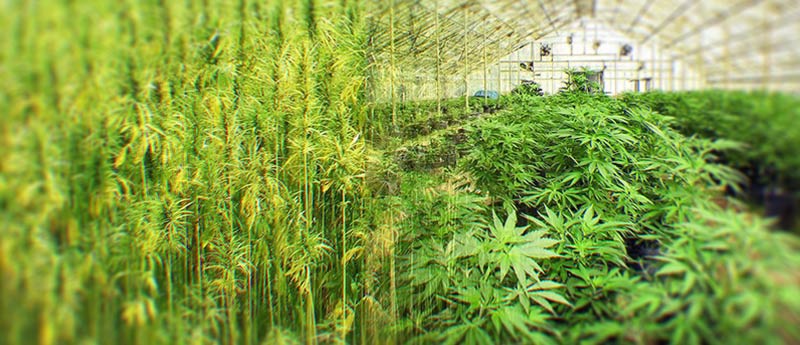
    • CBD oil extracted from hemp — Hemp is a tall, hardy, weed-like plant that can grow in diverse climates. The oil derived from hemp contains only .3 percent THC or less. This trace amount of THC is not enough to cause intoxication, even when consumed in excessive quantities. Most of the CBD available to the general public comes from industrial hemp. Those looking for a THC-free option should look for products made with CBD isolate, or a broad-spectrum product.

    Investigating the Potential Benefits of CBD for Alzheimer’s Disease

    While the symptoms of Alzheimer’s disease can take years to develop, preliminary investigations show that supplementing the processes of your endocannabinoid system with hemp CBD could stall the progression or minimize the effects of the disease. CBD is shown to provide neuroprotection, reduce or eliminate inflammation, and promote cell regeneration. Consider the following examples:

    • A study investigating the effects of CBD shows that cells exposed to the cannabinoid before exposure to beta-amyloid plaque had a higher survival rate than untreated cells. This study concluded that CBD showed a combination of benefits including anti-apoptotic (programmed cell death), neuroprotective, and antioxidant properties. CBD was also shown to reduce the production of beta-amyloid plaque, prevent plaque cluster formation, activate plaque removal, and blunt tau protein mitosis.
    • Beta-amyloid plaque formation is shown to elevate the reactive oxygenation in adjoining cells. The more oxygen released, the faster Alzheimer’s symptoms progress. An article published in Dementia Care Central credits CBD for minimizing the effects of oxygen release in the brain and notes that CBD is shown to promote the development of healthy brain cells.
    • CBD is also shown to impact many of the outward symptoms of Alzheimer’s disease. In several CBD trials, investigators reported that exogenous cannabinoids improved mood and sleep patterns while decreasing the agitation, impulsiveness, and aggressive behaviors associated with the progression of neurodegeneration.
    • A 2015 report in the Journal of Alzheimer’s Disease recognizes the endocannabinoid system as a “novel therapeutic target” for the potential treatment of Alzheimer’s. A report in CNSNeuroscience and Therapeutics appears to agree, pointing out that CBD shows high therapeutic potential for Alzheimer’s disease and other neurodegenerative disorders.

    The many potential health benefits of hemp CBD are due to its ability to mimic the messengers and communicate with the receptors of your endocannabinoid system, reducing your risk of possible health complications associated with endocannabinoid deficiencies.

    Studies investigating the use of CBD for Alzheimer’s disease and other neurodegenerative disorders show that CBD has the potential to reduce neuroinflammation, reduce the formation of plaque and proteins, help regenerate healthy neurons, and address many of the cognitive and behavioral changes associated with Alzheimer’s disease.

    Sources:

    • alzheimersnewstoday.com/alzheimers-disease-statistics/
    • projectcbd.org/science/endocannabinoid-system/endocannabinoid-system
    • nia.nih.gov/health/what-are-signs-alzheimers-disease
    • alz.org/alzheimers-dementia/10_signs
    • britannica.com/science/homeostasis
    • ncbi.nlm.nih.gov/pubmed/18404144
    • ncbi.nlm.nih.gov/pubmed/24256258
    • sciencedirect.com/science/article/pii/S0278584616302524
    • ncbi.nlm.nih.gov/pubmed/15030397
    • dementiacarecentral.com/aboutdementia/treating/cbd/#alzheimers
    • ncbi.nlm.nih.gov/pubmed/26271310
    • ncbi.nlm.nih.gov/pubmed/1922818
    • ncbi.nlm.nih.gov/pubmed/25147120
  • Hemp for the Holidays: Give CBD Oil as the Gift of Health for 2019 New Year

    Hemp for the Holidays: Give CBD Oil as the Gift of Health for 2019 New Year

    Selecting the ideal gifts for family and friends can be a significant source of holiday stress. Consider taking some of the stress out of the holiday’s this season by giving the special people in your life hemp CBD. When you wrap CBD products for the holidays, you are presenting a gift that keeps on giving throughout the year, the gift of health and wellness.

    Everyone Knows Someone Who Could Benefit From CBD

    Giving a holiday gift of CBD to a fellow CBD enthusiast will likely result in a heartfelt thanks. Gifting CBD to someone less experienced may require a brief exchange of information, an explanation of the many significant health and wellness benefits of CBD.

    You could begin by explaining how CBD enhances neurotransmitters and their endocannabinoid system. This network of messengers and receptors is responsible for regulating nearly every crucial function in our bodies.

    Just a few of the many functions impacted by the endocannabinoid system include:
    • Sleep and sleep cycles
    • Stress responses
    • Moods and emotions
    • Inflammation and pain perception
    • Cardiovascular function
    • Digestive processes
    • Thermal regulation and metabolism
    • Immune system function

    You may also want to explain why CBD is beneficial to the functions of their endocannabinoid system. You could start with the fact that our bodies create the messengers (endocannabinoids) of this vital regulatory system, but under the strain of illness, injury, or stress, a person’s body may need more messengers (neurotransmitters) than it can produce on its own.

    CBD (cannabidiol) is one of the many (113) cannabinoids found in cannabis plants. CBD mimics the effects of the cannabinoids in your body, influencing the receptors of the endocannabinoid system. This ability to interact with cell receptors explains why CBD can help with so many seemingly unrelated symptoms.

    Explaining Hemp CBD to Anyone Concerned About Cannabis Use

    Some people are initially hesitant to try CBD when they learn that CBD is extracted from cannabis plants. You may need to explain that there are two potential sources of CBD, hemp, and marijuana. While there are 113 potentially beneficial cannabinoids in cannabis, only one, THC, causes a psychoactive response. It’s the THC content that differentiates the two cannabis plants.

    While marijuana contains high levels (5-30 percent) of THC, hemp does not. To qualify as hemp, a cannabis plant must contain 0.3 percent THC or less. This trace amount of THC is not enough to cause intoxication. That’s why hemp CBD is available to anyone who wants to supplement the functions of their endocannabinoid system. No one gets high from hemp oil products.

    Considerations for Selecting the Ideal CBD Gifts

    Before getting too far into any gift-giving suggestions, it may be helpful to explain one of the more significant differences between your CBD options.

    There are essentially two types of CBD products available, those containing full-spectrum CBD and products made with CBD isolate. Understanding the fundamental differences between full-spectrum and isolate products could help you determine the best gift for your intended recipient. Consider the following:

    • Full-spectrum CBD is hemp extract that still contains all the additional cannabinoids, plant terpenes, flavonoids, vitamins, and minerals of the original plant. Many people believe full-spectrum CBD products more beneficial because of an enticing phenomenon known as the entourage effect. The entourage explains how each of the plant components magnifies and multiplies the impact of the others.

    • CBD Isolate is more than 99 percent pure CBD, the other cannabinoids and plant compounds have been removed. CBD isolate is flavorless and odorless. Products made from CBD isolate are often preferred by those who do not care for the flavor of hemp oil or are hesitant to use a full-spectrum product because they are uncomfortable with the thought of ingesting even trace amounts of THC.

    The Many Potential Benefits of Hemp CBD Products

    Here’s something else to keep in mind while you are shopping. While CBD is not a medication or treatment for any health disorder, this multi-beneficial compound has a significant number of health and wellness benefits. Just a few of the reported benefits of CBD supplementation include:

    • Reducing inflammation and alleviating pain
    • Reducing the symptoms of insomnia and improving sleep
    • Minimizing the symptoms of anxiety
    • Reducing the symptoms of depression
    • Enhancing memory and learning
    • Improving the symptoms of Alzheimer’s and dementia
    • Minimizing the symptoms of nicotine and opioid withdrawal
    • Improving digestive function
    • Reducing the severity or frequency of muscle spasms

    Selecting the Ideal CBD Products for Everyone on Your Shopping List

    Knowing some of the many potential benefits of CBD may entice you to add a few more people to your CBD shopping list. To help you decide the ideal product for each special someone, it may be beneficial to learn a bit more about some of your product options.

    Full Spectrum and THC-Free CBD Tinctures

    Whether you select a full-spectrum CBD tincture or a THC-free tincture made from CBD isolate, it may be helpful to note that CBD tinctures are one of the most popular methods of endocannabinoid system support. When selecting a hemp oil product, it is essential to know how many milligrams of CBD the product contains. The higher the CBD content, the less product will be needed per dose. CBD tinctures are versatile and easy to use. Consider the following options

    • Shake the product and fill the dropper
    • Place CBD under the tongue and wait a few seconds before swallowing

    or

    • Add CBD tinctures to beverages
    • Mix CBD tinctures with foods or sauces

    Topical CBD for Pain and Inflammation

    Topical CBD products have a variety of uses, from the potential to relieve aches and pains to skincare benefits. CBD molecules are small enough to penetrate the skin. Topical creams and ointments are a fabulous way to introduce your friends and family to the wonders of CBD.

    CBD infused creams, salves, and ointment absorbs through the surface of the skin to target the endocannabinoid receptors. Research shows that topical CBD minimizes pain and reduce inflammation. Many people are using topical CBD to:

    • Reduce pain and stiffness after an intense workout
    • Minimize the pain and inflammation of arthritis
    • Reduce the symptoms of tendonitis
    • Minimize the discomfort of minor muscle and joint injuries
    • Alleviate the symptoms of fibromyalgia and neuropathic pain

    Topical CBD for Skin Health and Anti-Aging Benefits

    While CBD gets a lot of attention for it’s potential to minimize pain and inflammation, cannabinoids are also beneficial to skin health. Skin health is based on its ability to discard tired old cells and generate healthy new cells, functions regulated by the endocannabinoid system.

    The fact that endocannabinoid function is essential to skin health makes topical CBD products an excellent gift for everyone on your list who struggles with skin issues. A skin care cream containing hemp CBD could be the ideal gift for anyone on your list living with the discomfort of dry skin, acne, eczema, psoriasis, or those on your list concerned about collagen loss or the appearance of fine lines and wrinkles. Research shows that CBD:

    • Protects skin from free radical damage that accelerates skin aging
    • Helps balance oil production
    • Targets CB2 receptors triggering an anti-inflammatory response
    • Helps regenerate skins protective outer layer leaving skin softer, smoother, and younger looking
    • Binds to TRVP receptors to soothe sensitive skin
    • Soothes dry, itchy winter skin
    • Stimulates collagen production
    • Provides essential fatty acids that keep skin strong and supple

    CBD Gummies and Softgels for Those Who Value Convenience

    While CBD tinctures are among the most popular methods of endocannabinoid supplementation, oral tinctures are not ideal for everyone. Many people prefer the convenience of CBD capsules, softgels, or CBD gummies. Consider the following:
    • CBD capsules, softgels, and gummies are convenient – doses are premeasured
    • Capsules, softgels, and gummies are portable – no need to worry about breakage or spills
    • Easy to include in an existing supplement regimen – easily slips into a pill case or organizer
    • Capsules and gummies are discreet – nothing to attract curious onlookers
    • Gummies are a fun and delicious introduction to the many potential benefits of CBD – a particular favorite among candy lovers
    • Capsules and softgels are often preferred by those who do not care for the flavor of CBD tinctures

    CBD Oil for Pet Health and Wellness

    For holiday shoppers searching for a special something for their pet, or a gift for someone on their list with a four-legged companion, it may be important to know that CBD offers the same health and wellness benefits for pets as it does for people. Pet products are formulated for easy digestion. Pet owners typically find that a few drops of pet tincture on wet or dry food provides significant health and wellness benefits, including:
    • Reducing pain and inflammation
    • Minimizing the symptoms of anxiety
    • Increasing energy and stamina
    • Improving appetite and promoting sleep
    • Improving digestive function
    • Providing healthy skin benefits

    CBD Vape Products for Vaping Enthusiasts

    Vaping uses a battery, heated coil, and tank system that holds the e-liquid to create an inhaled vapor. When e-liquid is heated by the coil in the atomizer, the resulting vapor is inhaled in a manner similar to smoking. Vaping CBD e-liquid is one of the fasted CBD delivery methods because vaping CBD bypasses the digestive tract.

    When selecting CBD vape products for holiday gift-giving, you have several options. Consider the following:

    • Disposable CBD Vape Pens

    Many CBD vapers prefer the convenience of disposable vape pen. When you purchase a disposable unit, your gift is ready to use right out of the box. Your gift recipient will never need to wait for their batteries to charge or change an e-liquid cartridge. Disposable vape pens can typically be purchased individually or multi-packs.

    • Prefilled Cartridges and Rechargeable batteries

    Selecting prefilled vape cartridges still provides many of the conveniences of a disposable unit, but the batteries are rechargeable. Many people find this vaping alternative to be a bit more cost-effective. Adding a spare battery to your package ensures your gift is always ready when needed.

    • CBD E-Liquid

    CBD e-liquid could be the ideal gift for those on your list who already vape using a refillable tank. CBD e-liquid is often used by those looking to reduce their dependence on nicotine or to experience the many other health and wellness benefits of CBD in a familiar form.

    A Thoughtful Gift for Someone Who Enjoys Cooking

    For those on your holiday gift-giving list who love being creative in the kitchen, consider the benefits of a CBD isolate powder. CBD isolates are easy to work with and won’t change the flavor of even the most delicate culinary creations. Consider the value of your gift recipient adding CBD isolates to their favorite recipes. You may want to suggest adding CBD isolate to the following: Soups and sauces
    • Baked goods
    • Candy recipes
    • Shakes and smoothies
    • Hot or cold Beverages
    Everyone knows someone who could benefit from a gift of hemp CBD. The phytocannabinoids in hemp oil provide endocannabinoid system support and have the potential to alleviate many seemingly unrelated symptoms including pain, inflammation, insomnia, and the symptoms of stress, depression, and anxiety. With so many product types available, it’s easy to find the perfect gift for nearly everyone on your holiday shopping list.

    Sources:
    sciencedirect.com/topics/medicine-and-dentistry/endocannabinoid-system
    echoconnection.org/a-look-at-the-major-and-minor-cannabinoids-found-in-cannabis/
    livescience.com/24553-what-is-thc.html
    sleepfoundation.org/ask-the-expert/stress-and-insomnia
    ncbi.nlm.nih.gov/pmc/articles/PMC4851925/
    physiology.org/doi/pdf/10.1152/physrev.00002.2016
    projectcbd.org/science/terpenes/terpenes-and-entourage-effect
    frontiersin.org/articles/10.3389/fvets.2018.00165/full
    leafly.com/news/health/what-science-says-about-giving-dogs-cats-cannabis-cbd
    veterinarynews.dvm360.com/cannabidiol-new-option-pets-pain

  • CBD Oil Sleep Benefits: A Full Night’s Rest-Promoting Guide To Using Cannabidiol

    CBD Oil Sleep Benefits: A Full Night’s Rest-Promoting Guide To Using Cannabidiol

    In the early 1900s, people typically slept an average of nine or ten hours each night. Today, most of the population averages somewhere around seven hours. While sleep needs have not changed over time, our lifestyles have.

    Researchers today believe modern technology and chronic stress are interfering with our natural sleep cycles. Artificial lighting and the blue light emitted from the screens of our electronic devices are interrupting our natural circadian rhythms, the sleep cycle regulators influenced by light and darkness. The state of hyperarousal created by our hectic lifestyles adds to the turmoil.

    Once your sleep patterns are disrupted, it can be difficult to get back on track. If you are experiencing sleep difficulties, you are already painfully aware of the short-term effects of too little sleep. To fall asleep faster and sleep more comfortably through the night, consider investigating the natural sleep-promoting benefits of hemp CBD.

    The Many Ways Too Little Sleep Can Negatively Impact Your Health

    While individual sleep needs vary, most of us need a minimum of 6-7 hours of sleep each night. When we get a sufficient amount of quality sleep, we will likely wake unassisted, feeling refreshed. Unfortunately, too many people believe our bodies simply learn to adapt to less sleep.

    If you feel fatigued, have difficulty concentrating, or need a nap to get through the day, you could be experiencing the short-term effects of sleep deprivation, even if you are sleeping more than the recommended seven or eight hours. The damage created by sleep deprivation is cumulative.

    Sleep deprivation is known to increase your risk of the following conditions:

    • Atherosclerosis (clogged, hardened arteries)
    • Symptoms of anxiety or depression
    • Elevated blood pressure
    • Heart disease, heart attack, and stroke
    • Weight gain or difficulty losing weight
    • Diabetes
    • Compromised immune system function
    • Problems with short-term or long-term memory
    • Impaired judgment or impulsiveness
    • Decreased libido
    • Intensification of physical pain

    The inability to fall asleep quickly or repeatedly waking during the night can significantly reduce the amount of time you spend sleeping. Losing less than an hour of precious sleep can zap your energy, try your patience, and increase your risk of accidental injury.

    Understanding How Hemp CBD Can Significantly Affect Your Body

    To understand how hemp CBD oil could provide sleep benefits, it may be necessary to learn a bit more about why CBD has so many potential health and wellness benefits. The answer is both simple and relatively complex. CBD mimics the messengers and influences the receptors of your endocannabinoid system.

    If you have not heard of your endocannabinoid system, you are not alone; it’s a relatively recent and exciting discovery. Your multi-tasking endocannabinoid system is a complex network of neurotransmitters and receptors that regulate nearly every essential function in your body. Researchers believe this system of messengers and receptors is essential to homeostasis, the internal equilibrium that all living organisms need to survive.

    Just a few of the many functions regulated by your endocannabinoid system include:

    • Sleep and sleep cycles
    • Temperature regulation and metabolism
    • Moods and emotional responses
    • Pain perception and inflammatory responses
    • Memory and learning
    • Digestion and digestive processes
    • Reproductive processes
    • Endocrine system regulation

    You have endocannabinoid receptors throughout your body. The receptors of your endocannabinoid system are simply named CB1 and CB2. CB1 receptors are highly concentrated in your brain, spinal column, and nerve endings. CB2 receptors densely populate your peripheral nervous system, regulating organ function, muscle movement, and your immune system.

    CBD Mimics The Function Of Endocannabinoid System Messengers

    Cannabinoids are the messengers, the neurotransmitters of your endocannabinoid system. There are two types of cannabinoids your body will respond to: endocannabinoids and exogenous cannabinoids.

    Consider the following:

    Endocannabinoids –

    Your body makes two cannabinoids: anandamide and 2-AG. These essential neurotransmitters are called endocannabinoids because they are produced within your body. Anandamide and 2-AG are created as needed and quickly broken down by enzymes.

    Exogenous Cannabinoids –

    Exogenous cannabinoids are the cannabinoids obtained from outside sources. Cannabis plants contain an abundance of exogenous phyto (plant sourced) cannabinoids. The phytocannabinoids in CBD mimic the effects of the cannabinoids created in your body and influence the endocannabinoid receptors. The effects of exogenous cannabinoids are typically stronger and longer lasting than the effects of your endocannabinoids.

    Under the influences of illness, injury, or stress, your body may need more endocannabinoids than it can create on its own. The resulting endocannabinoid deficiencies can cause a breakdown in the communication system.

    Many researchers today believe endocannabinoid deficiencies cause several difficult to treat health disorders, including irritable bowel syndrome, fibromyalgia, and migraines. Supplementing the endocannabinoid system with cannabis can help restore balance to this essential system and alleviate the symptoms caused by endocannabinoid deficiencies. This ability to supplement the messengers of the endocannabinoid system explains why cannabis has been used successfully for centuries to alleviate the symptoms of so many seemingly unrelated health concerns.

    Differentiating Between The Two Potential Cannabis Sources

    CBD is the commonly used scientific abbreviation for cannabidiol, the most abundant of the many cannabinoids found in cannabis plants. Investigations into the effects of cannabis eventually led researchers to the discovery of the endocannabinoid system.

    Many people are initially uncomfortable when they learn that CBD is extracted from cannabis. That is because most people still associate the word cannabis with marijuana. We seem to have forgotten that hemp is also cannabis. Learning the essential differences between hemp oil and marijuana typically alleviates most concerns.

    Consider the following differences:

    Marijuana-Derived CBD

    The CBD extracted from the marijuana plant contains high levels of THC (tetrahydrocannabinol), the one cannabinoid (of 113) in cannabis responsible for the intoxicating effects. Marijuana extract typically contains anywhere from 5-30 percent THC. Due to the psychoactive properties of the plant, marijuana is classified as a schedule 1 drug. Depending on state legality, marijuana can be prescribed by a doctor for medical purposes or purchased through a dispensary.

    Hemp-Derived CBD

    It’s the THC content that legally differentiates hemp from marijuana. To be legally classified as hemp, a cannabis plant must contain 0.3 percent THC or less. This trace amount of THC is not enough to cause any form of intoxication, even when consumed in large amounts. It may further reassure you to learn that cannabidiol (CBD) counteracts the effects of THC.  Hemp planted in the vicinity of marijuana can render the marijuana crop useless. Most of the CBD oil accessible to consumers is derived from industrial hemp.

    Promoting Restful Sleep With Hemp CBD Oil

    If you lie in bed for more than 30 minutes trying to fall asleep or frequently wake during the night, you may find it difficult to make it through your day without caffeine, a nap, or both. You may notice you have difficulty focusing, concentrating, or maintaining emotional equilibrium.

    Supplementing the messengers of your endocannabinoid system with the many potential wellness benefits of CBD could help you drift off faster and sleep more comfortably. When you get enough quality sleep, you should wake feeling refreshed and invigorated.

    Some of the many ways the CBD in hemp oil is shown to promote sleep include:

    Alleviating the Symptoms Of Stress And Anxiety That Keep You Awake

    While lack of sleep can have a negative impact on your moods and emotions, your moods and emotions also affect your ability to sleep. When you feel stressed or anxious, your mind is likely in a state of arousal.  Stress and anxiety can keep your brain functioning in overdrive, unable to let go of repetitive thoughts. CBD is shown to have an anxiolytic effect similar to prescription anti-anxiety medications. The calming effect of hemp CBD could help you sleep by potentially alleviating the effects of stress and anxiety.

    Minimizing Pain And Reducing Inflammation

    If you have difficulty getting comfortable enough to fall asleep, you may be one of the many people living with “painsomnia.” If back pain, arthritis, fibromyalgia, or any other chronic pain condition is preventing you from getting enough rest, you may be pleased to learn that CBD is shown to reduce inflammation and alleviate pain. CBD increases anandamide production and slows the enzymatic breakdown. Research shows that the more anandamide you have in your system, the less pain you will feel. Minimizing your pain could help you sleep better.

    Stabilizing Sleep Cycles And Encouraging REM Sleep

    Sleep cycles are influenced by your circadian rhythms, the 24-hour internal clock that regulates many important physiological functions. Research shows that your endocannabinoid system functions as the link between circadian regulators. CBD influences the receptors of your endocrine system (hormone production), helps regulate your core temperature to promote sleep, and maintains sleep states. CBD can also increase your capacity for REM sleep. REM sleep abnormalities commonly affect those living with PTSD and Parkinson’s disease.

    Alleviating Leg Cramps That Interrupt Your Dreams

    Involuntary muscle contractions in your legs and feet have many potential causes. Nocturnal leg cramps are commonly caused by muscle fatigue, neuromuscular disorders, nerve injuries, dehydration, and medication side effects. Since leg cramps often follow a period of inactivity, you may be losing precious sleep from leg cramps that wake you from a sound slumber. CBD has anti-spasmodic and analgesic properties. In addition to leg cramps, CBD can also be beneficial for menstrual cramps, muscle injuries, and the muscle spasms caused by neurodegenerative diseases, such as multiple sclerosis and Parkinson’s disease.

    CBD Oil Sleep Benefits Conclusion

    While the effects of occasional sleep deprivation are typically alleviated with a good night’s rest, the effects of chronic sleep deprivation are cumulative. Once your sleep patterns are disrupted, it can be difficult to get back on track. Over time, too many hours spent lying awake increase your risk of developing serious health complications.

    Many people experiencing sleep issues rely on the sleep-promoting benefits of hemp CBD oil. CBD is not a medication; it’s a safe, natural dietary supplement that supports the function of your endocannabinoid system, the network of receptors and neurotransmitters that influence pain perception, inflammation, sleep cycles, and the effects of stress on your body. Supplementing your endocannabinoid system with hemp CBD could help you fall asleep easier and stay sleeping throughout the night.